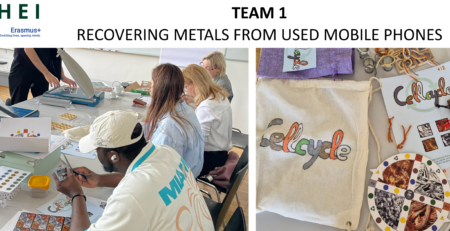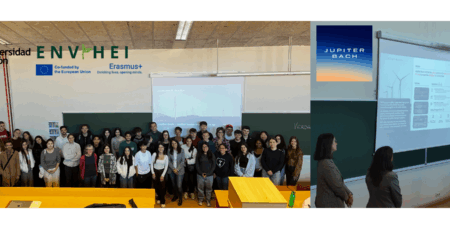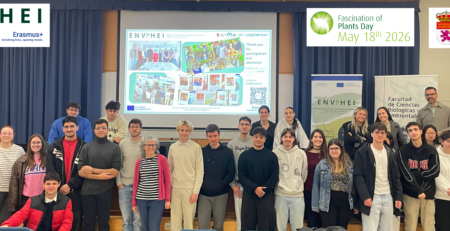
🚀 The ENVIHEI pilot implementation phase continues across partner universities, integrating Project-Based Learning (PBL) and sustainability into higher education.
♻️ At the Silesian University of Technology (SUT), this initiative was carried out within the undergraduate course Projects in Elective Technical Courses Chemical Engineering, part of the Bachelor’s degree in Management and Production Engineering.
👩🎓 Over an eight-week period, 15 undergraduate students worked in small interdisciplinary teams to design and manufacture functional products using waste and recycled materials. The courses challenged students to rethink discarded resources as valuable raw materials while developing practical engineering solutions to real-world sustainability challenges.
.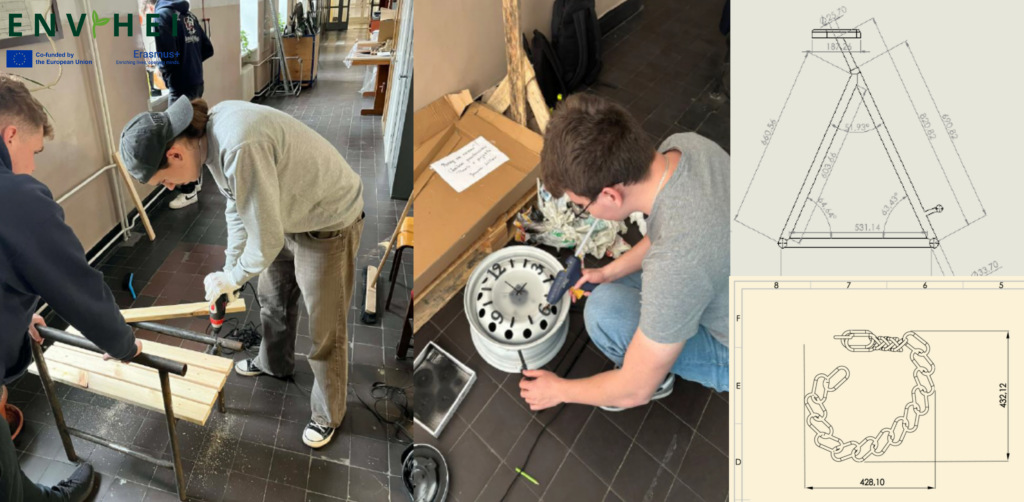
🛠️ Throughout the projects, students followed the complete product development process, from analysing available waste materials and generating design concepts to building prototypes testing their functionality, and assessing their environmental impact. The learning experience combined technical design with critical reflection on resource efficiency, material reuse, and responsible production practices.
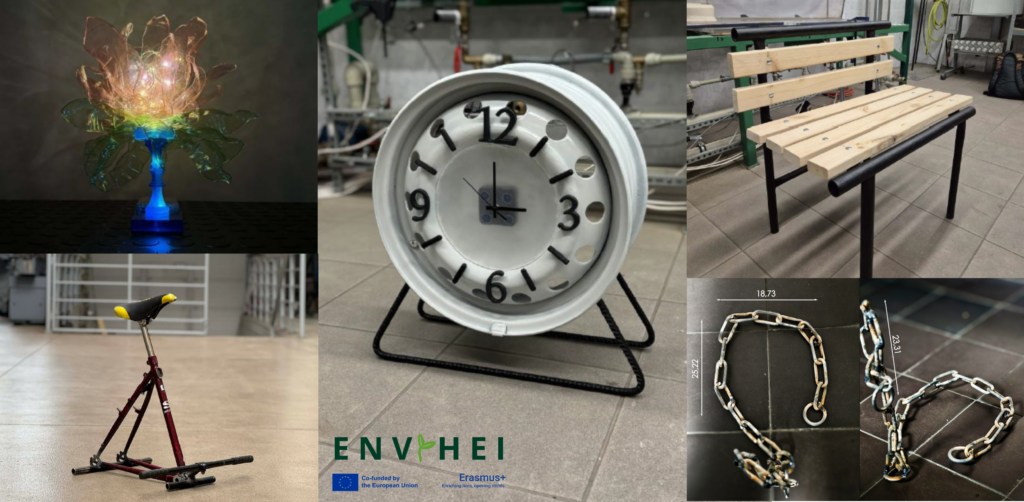
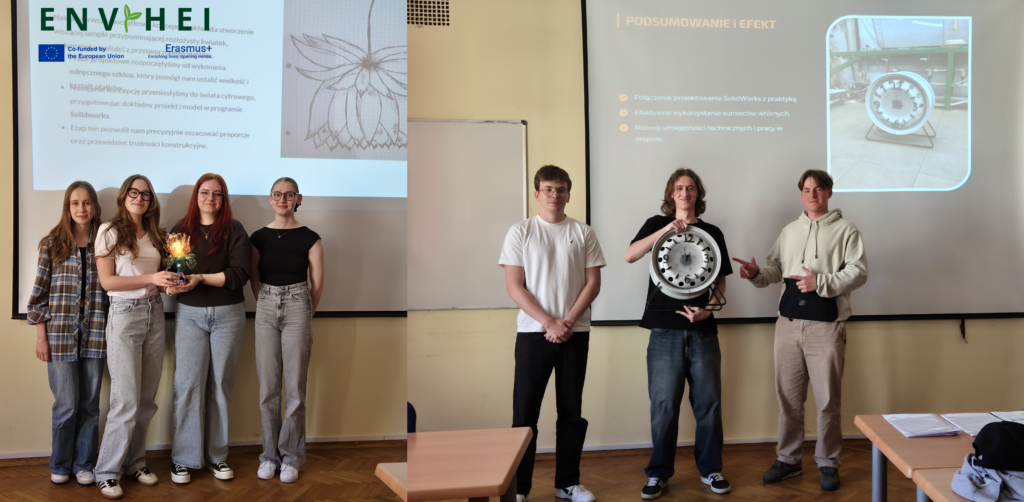
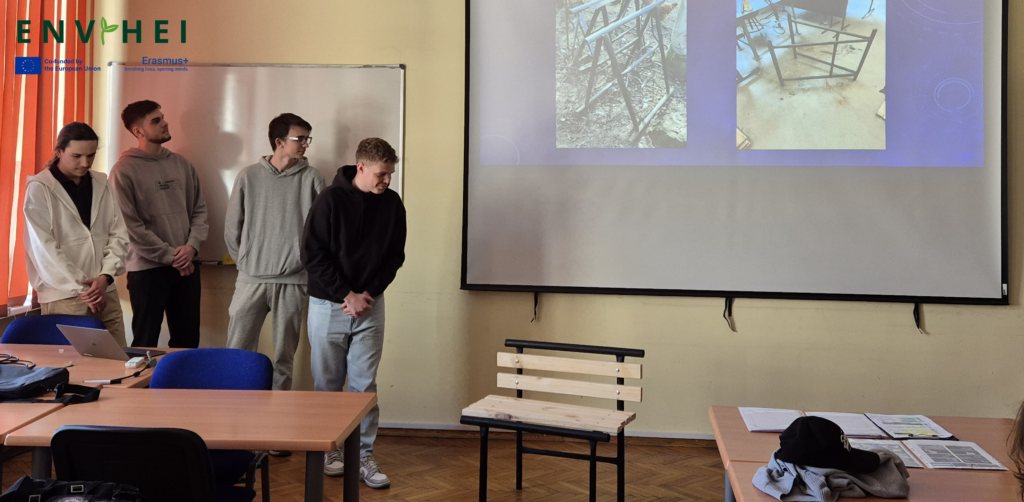
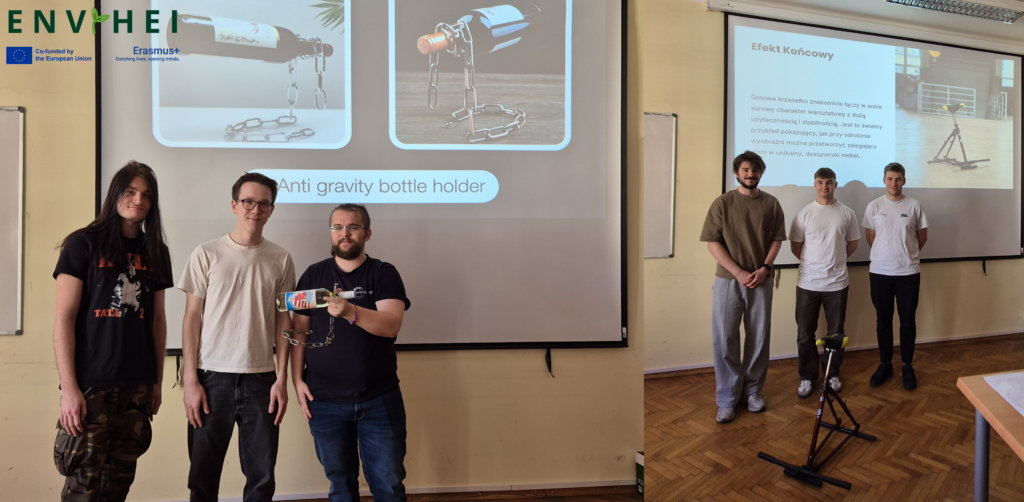
💡 The projects resulted in a range of creative and functional products: a flower-shaped lamp made from plastic bottles, a clock made from an old aluminium wheel rim, a seat constructed from a discarded bicycle, a bench manufactured from reclaimed steel elements, and a wine rack produced from used chains. These prototypes demonstrated how circular economy principles can be translated into practical engineering solutions while encouraging creativity and innovation.
🤝 Beyond technical knowledge, the students strengthened key transversal competences such as teamwork, project management, communication, problem-solving, and systems thinking. Regular project reviews, peer feedback sessions, and instructor mentoring supported continuous improvement throughout the implementation, enabling students to refine both their designs and their sustainability assessments.
📈 The pilot also highlighted valuable lessons for future editions. Early material assessment, structured project milestones, and continuous feedback proved essential for successful project development. In addition, strengthening practical prototyping skills and expanding collaboration with external stakeholders were identified as opportunities to further enhance students’ learning experience and increase the real-world relevance of future projects.
🌍 These pilot implementations demonstrate how ENVIHEI is helping higher education institutions integrate sustainability into engineering curricula through innovative teaching methodologies. By combining Project-Based Learning with circular economy principles, students not only acquire technical competences but also develop the mindset and skills needed to contribute to a more sustainable and resource-efficient future.
📬 Follow ENVIHEI for upcoming updates on our activities.
Discover more from ENVIHEI - Student-centered learning for ENVIronmental sustainability at Higher Education Institutions
Subscribe to get the latest posts sent to your email.