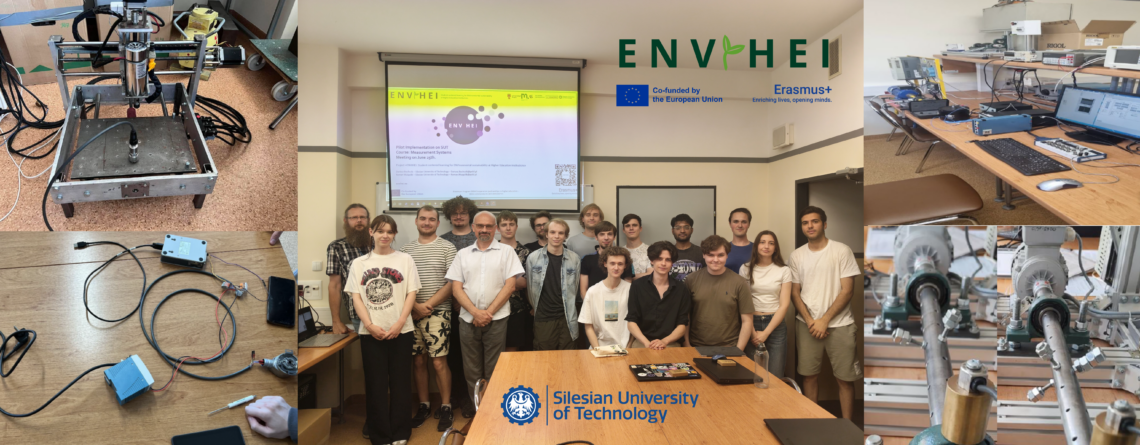
🚀 As part of the ENVIHEI pilot implementation phase, 16 students from Silesian University of Technology (SUT), enrolled in the 2nd year of the Bachelor’s Degree in Control, Electronic and Information Engineering, participated in a Project-Based Learning (PBL) experience within the Measurement Systems course. The activity focused on exploring how measurement and monitoring systems can support more sustainable machinery operation and the responsible use of maintenance resources.
⚙️ Working in teams, students investigated practical engineering challenges related to CNC machine resonance and damping, vibration monitoring for predictive maintenance, rotational-speed monitoring, and vibration diagnostics for machinery protection. Through these projects, students explored how identifying unusual machine behaviour and monitoring equipment condition can help inform decisions about machinery operation and maintenance.
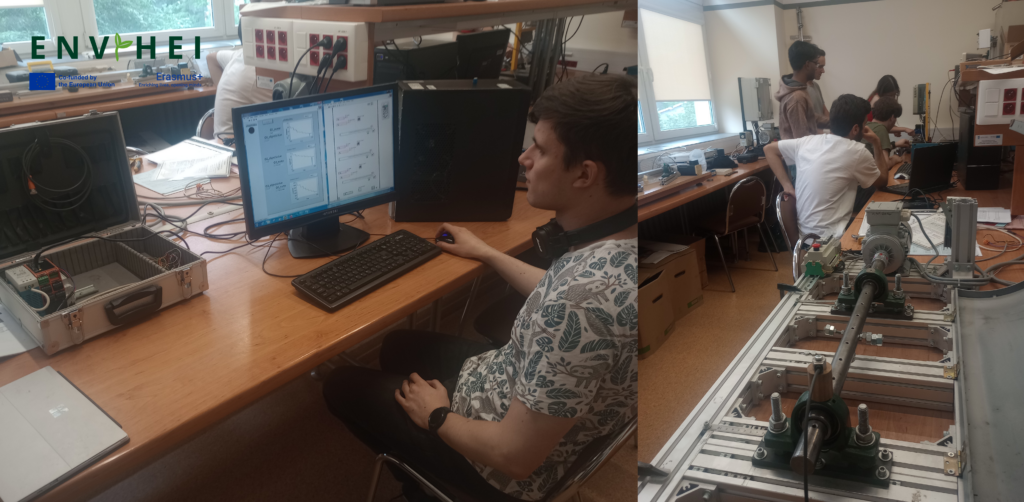
🔧 Students applied their knowledge of sensors, data collection, measurement software, and data analysis to investigate their engineering challenges. They developed measurement systems, carried out experiments, interpreted results, and prepared recommendations based on their findings. The activities encouraged students to connect technical knowledge with practical engineering problems and consider the wider implications of their decisions.
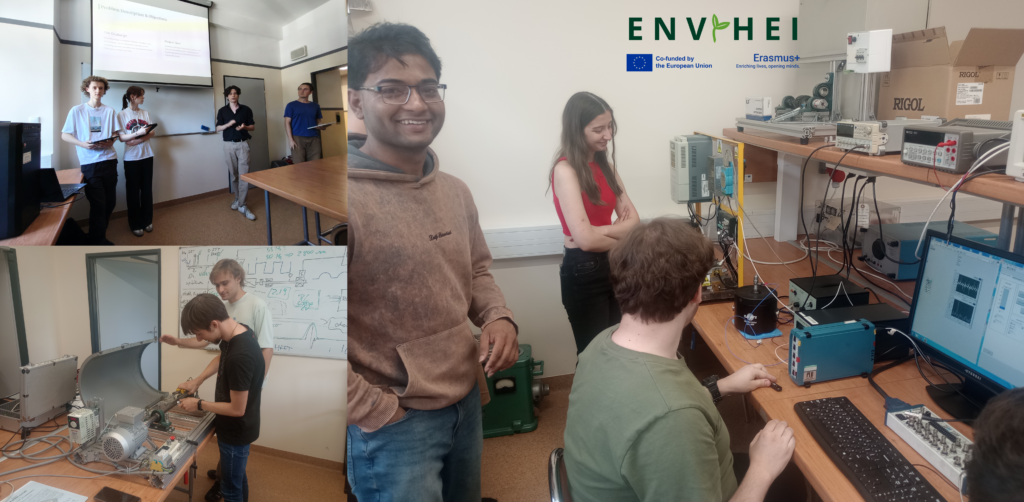
🌱 Sustainability was integrated throughout the projects. Students considered how machinery operation and maintenance can affect energy consumption, material waste, equipment lifetime, operational costs, and workplace safety. They explored how detecting undesirable machine behaviour earlier could help prevent premature equipment replacement, reduce unnecessary resource use, and support more informed maintenance decisions. These were considered potential benefits of monitoring technologies rather than measured environmental improvements.
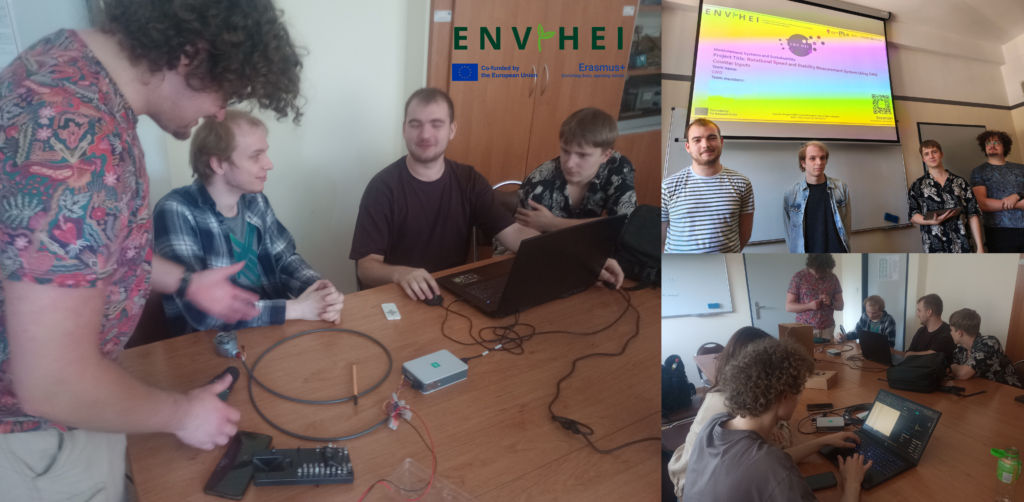
💡 Throughout the implementation, students addressed challenges related to measurement systems, software, and interpreting results. They worked on developing solutions, recognising limitations, and explaining their technical decisions. Each team prepared a technical report and final presentation to communicate its findings and discuss the technical, environmental, and economic relevance of its work.
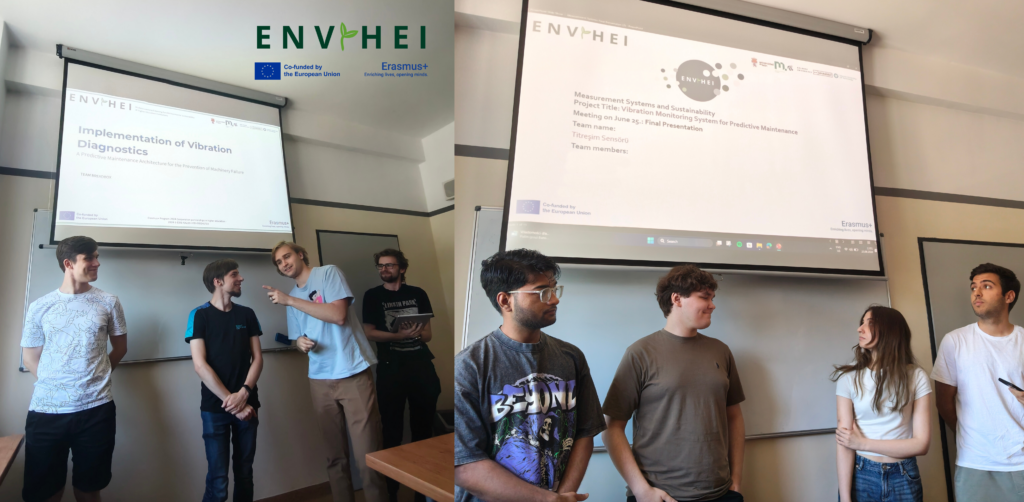
🤝 The experience also encouraged independent learning, teamwork, shared responsibility, problem-solving, critical thinking, and technical communication. By working together to investigate problems and develop solutions, students had opportunities to strengthen their engineering knowledge while considering the environmental and social implications of their decisions.
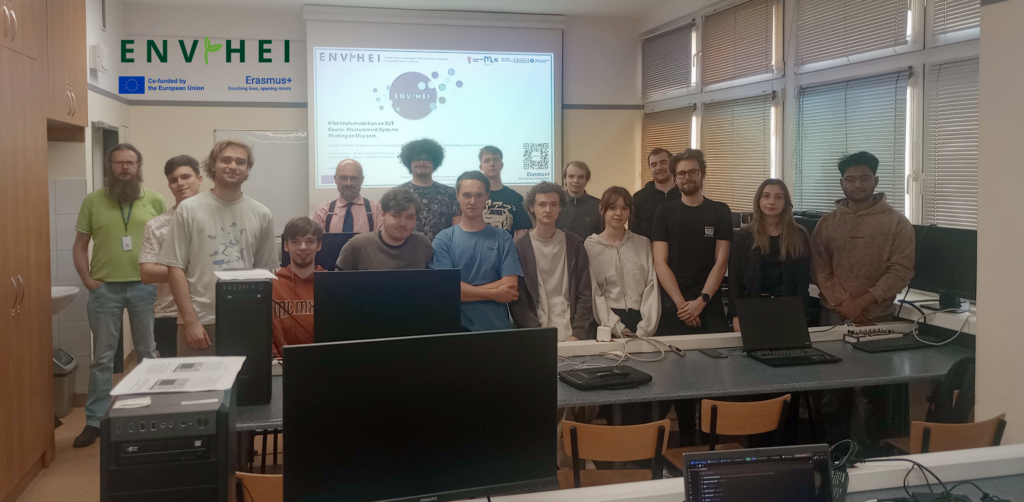
📚 This ENVIHEI pilot implementation illustrated how Project-Based Learning can connect measurement systems education with sustainability, encouraging students to consider how monitoring technologies and informed engineering decisions could contribute to resource efficiency, responsible maintenance, and more sustainable engineering practices.
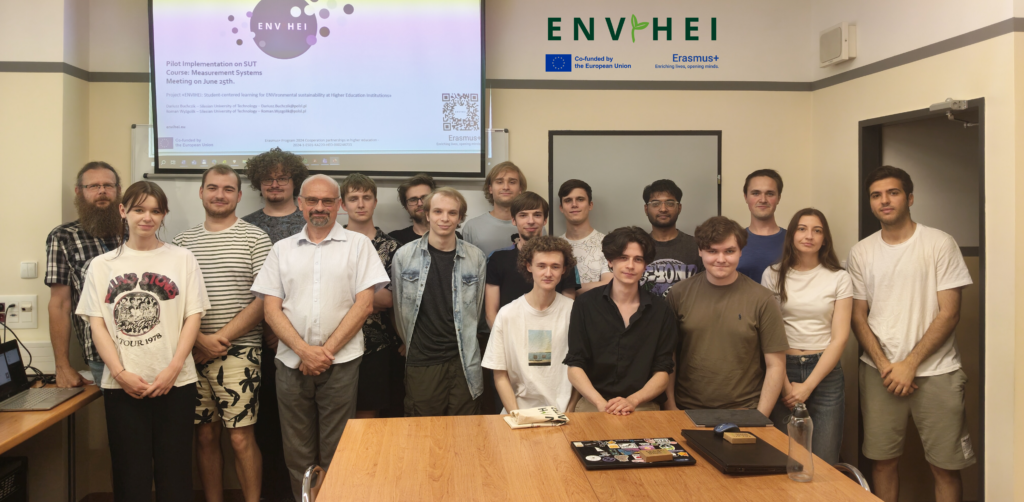
📬 Follow ENVIHEI for upcoming updates on our activities.
Discover more from ENVIHEI - Student-centered learning for ENVIronmental sustainability at Higher Education Institutions
Subscribe to get the latest posts sent to your email.