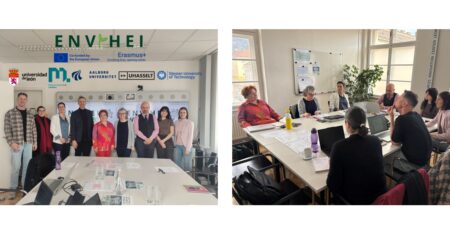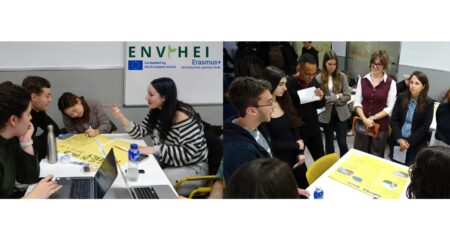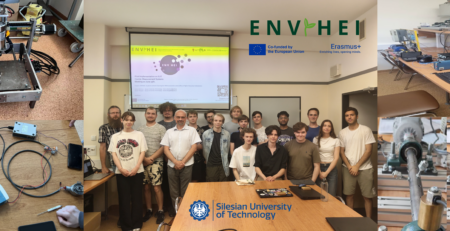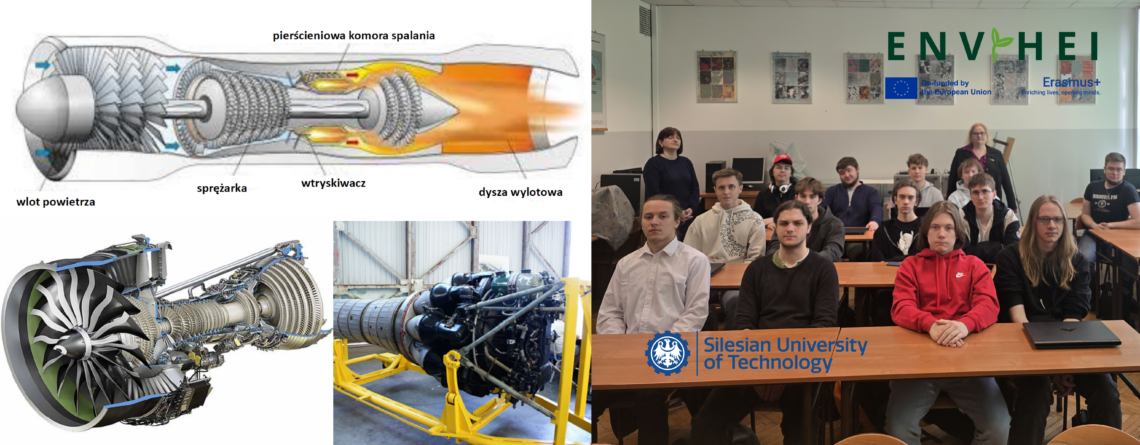
🚀 As part of the ENVIHEI pilot implementation phase, 15 students from Silesian University of Technology (SUT), enrolled in the 1st year of the Bachelor’s Degree in Aerospace Engineering, participated in a Problem-Based Learning (PBL) experience within the Introduction to Various Project Work Forms (PBL, Design Thinking) course. The activity introduced students to different approaches to solving engineering problems, planning research projects, and integrating sustainability into aircraft engine design.
✈️ Working in three small groups, students explored different challenges related to aircraft engine components. Their projects focused on compressors, turbines, and combustion chambers, examining how these components work, the conditions in which they operate, the causes of their deterioration, the materials used in their construction, and the protective coatings applied to them. These topics allowed students to explore the relationship between materials engineering, engine performance, and sustainability.
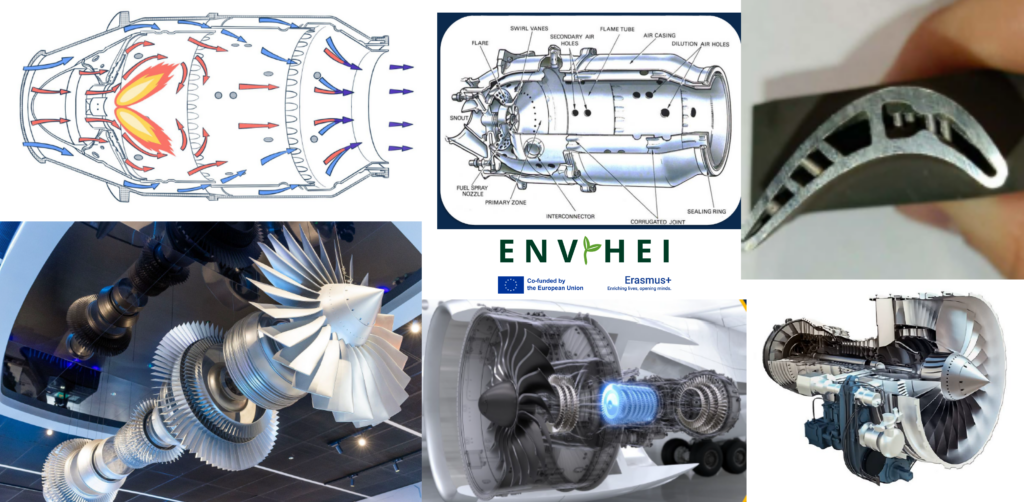
🔧 Through group activities and individual research, students applied Problem-Based Learning and were introduced to Design Thinking and project management methods. They also explored how to plan research projects, find and analyse scientific information, and prepare research reports and presentations. Regular meetings provided opportunities to discuss their progress, receive feedback, and address questions related to their projects.
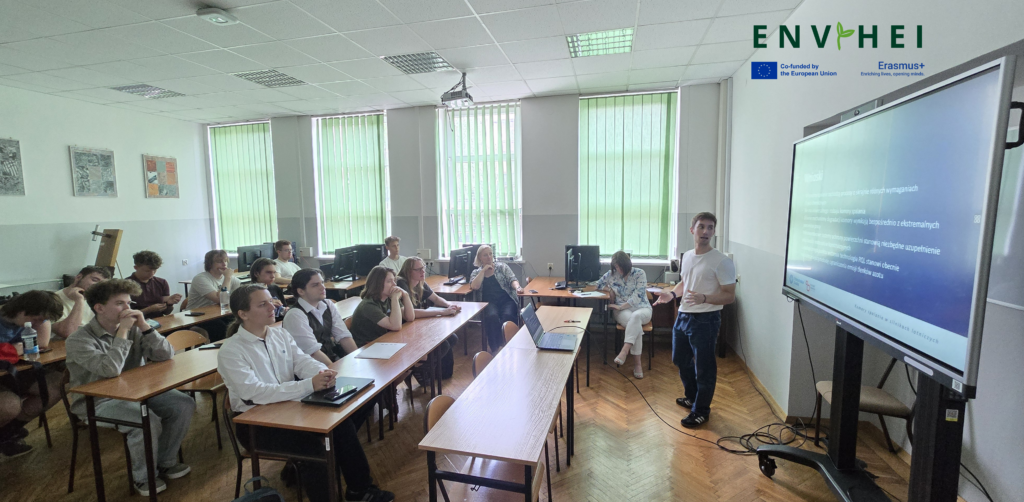
🌱 Sustainability was integrated into the learning activities, encouraging students to consider how improvements in aircraft engine materials and design could contribute to more sustainable aviation. The projects focused on improving the durability of engine components, increasing the efficiency of compressors and turbines, and exploring ways to reduce aircraft exhaust emissions and their associated carbon footprint. These considerations were connected to the European GreenComp framework and the United Nations Sustainable Development Goals (SDGs) 9 and 12.
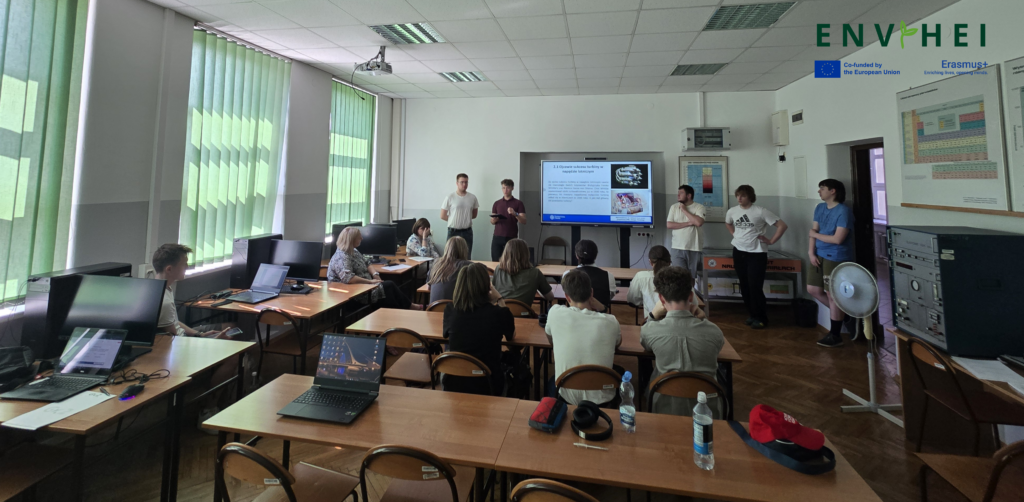
💡 The learning experience also included meetings with academic experts in aircraft engine construction and materials engineering, who shared specialised knowledge and helped students better understand the topics they were investigating. This support was particularly valuable because some technical information about aircraft engine design is not publicly available. Each group completed a written project report and a final presentation, sharing its work during the final course meeting.
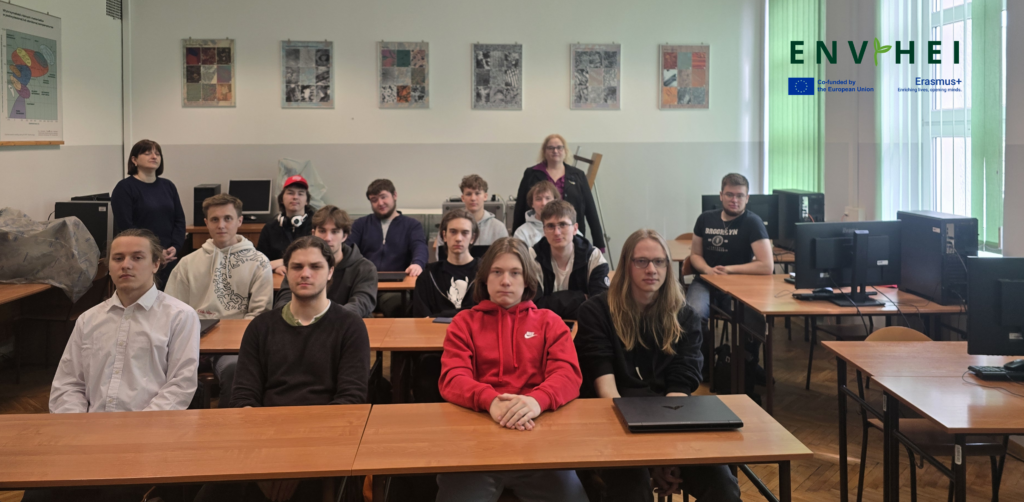
🤝 The multidisciplinary approach allowed students to explore their projects from different perspectives, supporting a broader understanding of the engineering challenges. By combining technical subjects with green technologies and sustainability considerations, the activity enriched the learning experience and encouraged students to think about the environmental and social implications of engineering decisions.
📚 This ENVIHEI pilot implementation highlighted the value of integrating sustainability into Problem-Based Learning in aerospace engineering education, encouraging future engineers to consider resource efficiency, sustainable materials, and environmental responsibility when exploring aircraft engine technologies.
📬 Follow ENVIHEI for upcoming updates on our activities.
Discover more from ENVIHEI - Student-centered learning for ENVIronmental sustainability at Higher Education Institutions
Subscribe to get the latest posts sent to your email.