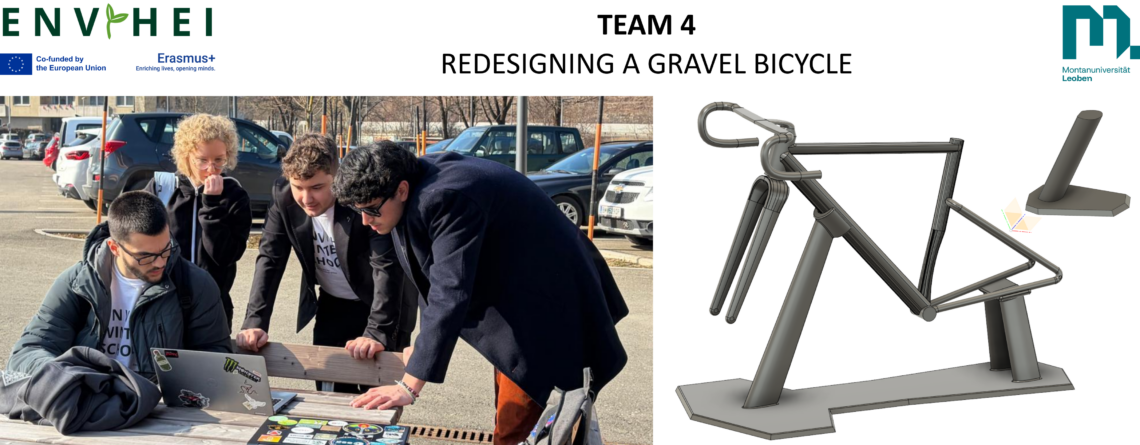
✨Today we introduce the fourth of the five teams that have participated in the ENVIHEI Winter School. All partners of the team worked intensively during the online phase, developing their ideas and components in parallel, and then brought everything together during the in-person activities in Leoben (Austria) from 23-27 February 2026, where the final results were consolidated and presented in the Final Presentation Session.
👥 Team Composition & Organisation
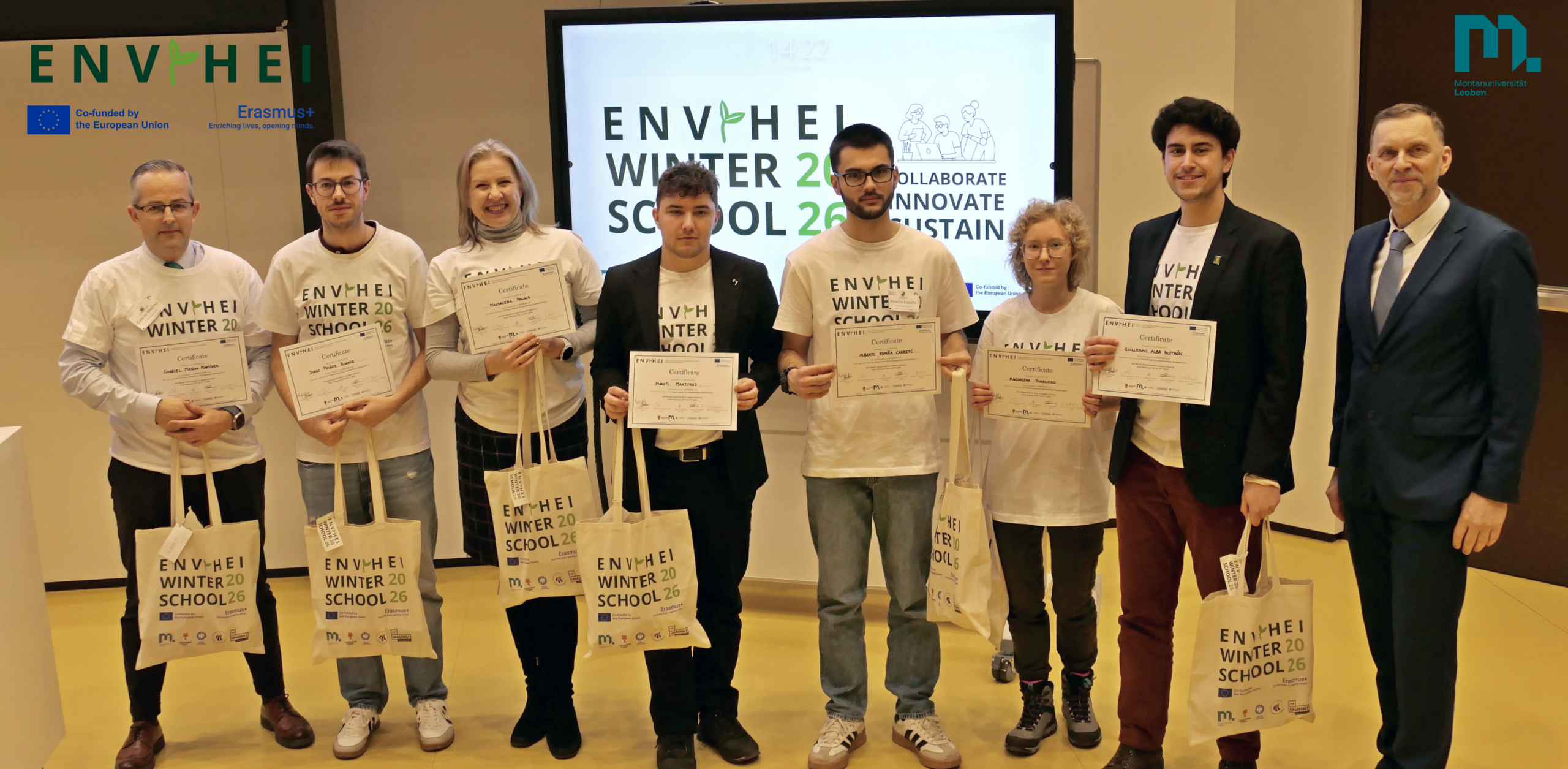
🎓 The team was supervised by Gabriel Medina Martínez (University of León), with mentoring support from Jorge Peláez Blanco (University of León) and Magdalena Palacz (Silesian University of Technology).
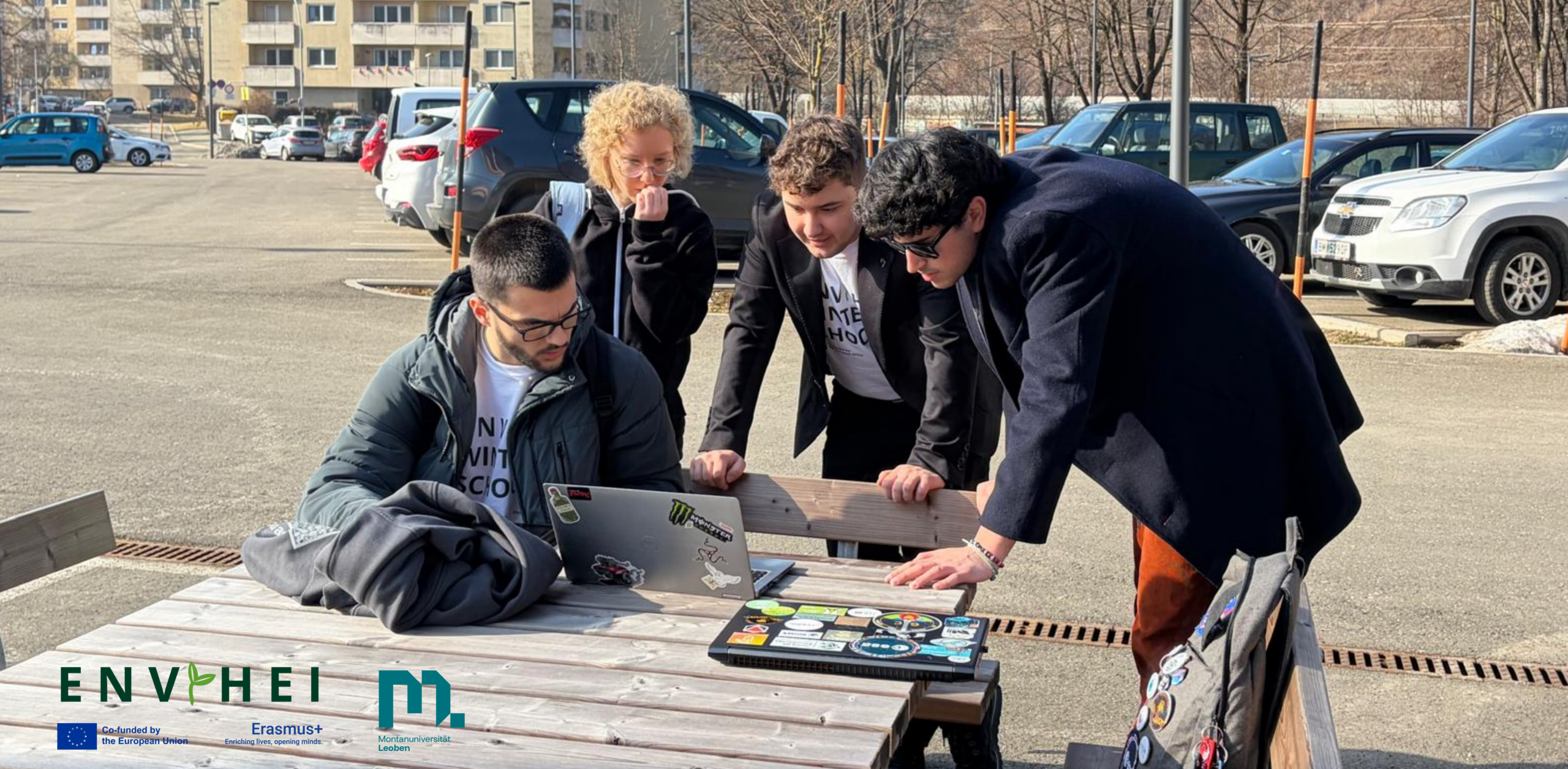
The in-person student team included Alberto España Carrete (University of León), Guillermo Alba Buitrón (University of León), Magdalena Jureczko (Silesian University of Technology), and Marcel Martynus (Silesian University of Technology), with no additional online participants.
🤝 Bringing together complementary expertise in aerospace engineering, mechanical engineering, and electronics engineering, the team adopted a truly interdisciplinary approach to address the project challenge.
🔎 Project overview
🚲 Team 4 has developed a Project-Based Learning (PBL) entitled “Develop a bicycle design and construction project that incorporates environmental sustainability criteria”. The project focused on designing a sustainable gravel bike by integrating recycled materials and eco-design principles into bicycle engineering and component development.
🎯The aim was to design a safe, efficient and environmentally responsible gravel bicycle by incorporating recycled materials into key structural and functional elements, such as the bike frame and selected accessories.
♻️The main sustainability challenge addressed was reducing the environmental impact of bicycle manufacturing, particularly through the reuse of carbon-based materials and the integration of eco-innovation strategies in both structural design and accessory development (lighting, coatings and components), while ensuring safety and performance in everyday mobility use.
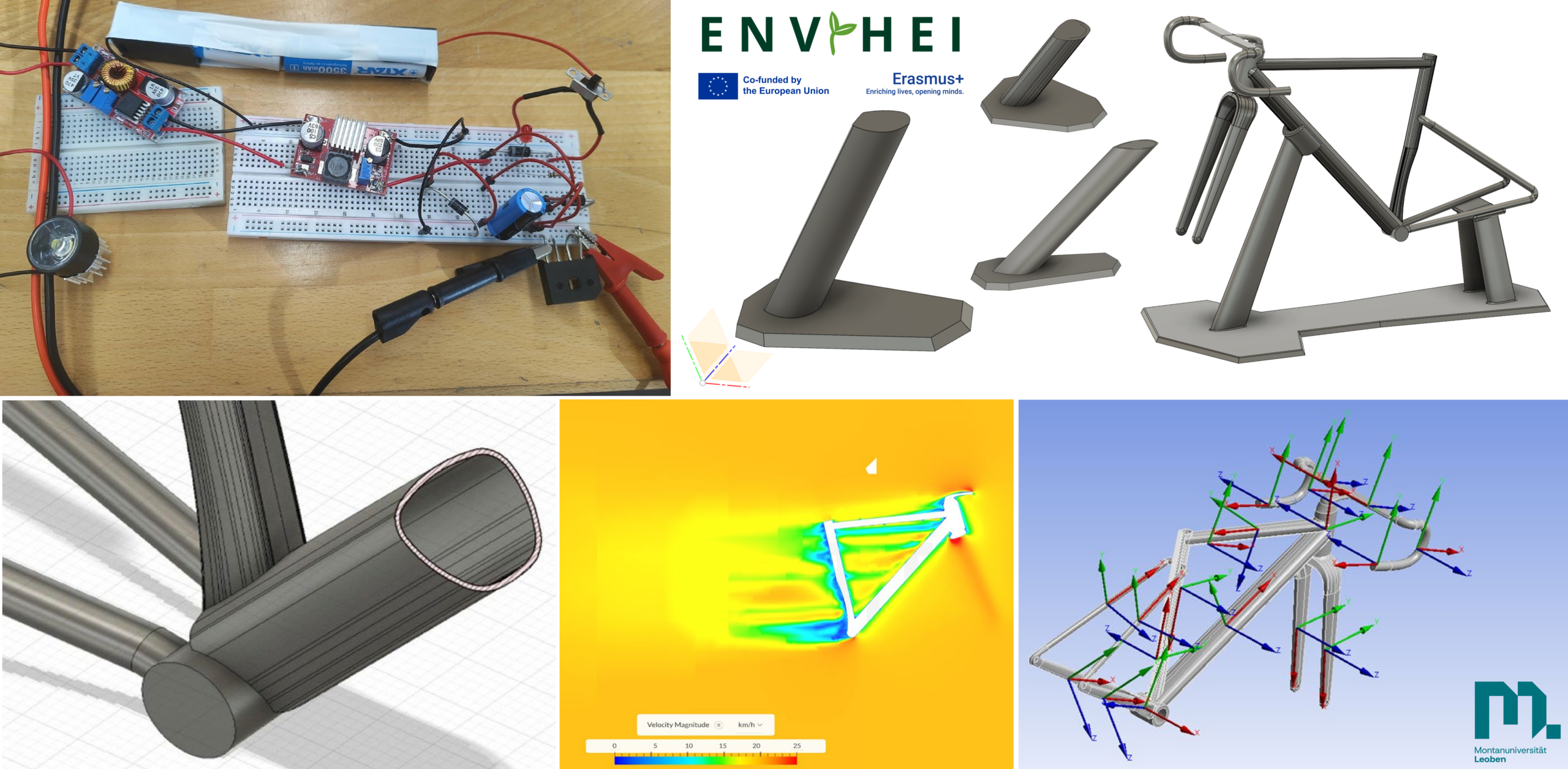
🛠️ Following a structured collaborative approach, the team defined the project scope by identifying which elements of a gravel bike could be effectively improved from a sustainability perspective. The work focused on redesigning the frame using high-performance recycled carbon fibres, analysing its aerodynamic behaviour through iterative simulations, and validating structural performance. In parallel, the team developed integrated solutions such as a dynamo-powered lighting system embedded in the front fork, enhancing reliability, autonomy, and design integration, while also exploring reflective surface coatings to improve rider safety.
🚲 The resulting product is a sustainable gravel bike that combines recycled materials, aerodynamic optimisation, and integrated technologies into a coherent design. It prioritises durability, energy efficiency, and reduced environmental impact by replacing virgin materials with recycled alternatives, minimising additional components through seamless integration, and applying circular economy principles. The frame improvements resulted in a 20% reduction in aerodynamic drag, and a weight decrease of 0.55 kg, leading to notable gains in overall efficiency and performance.
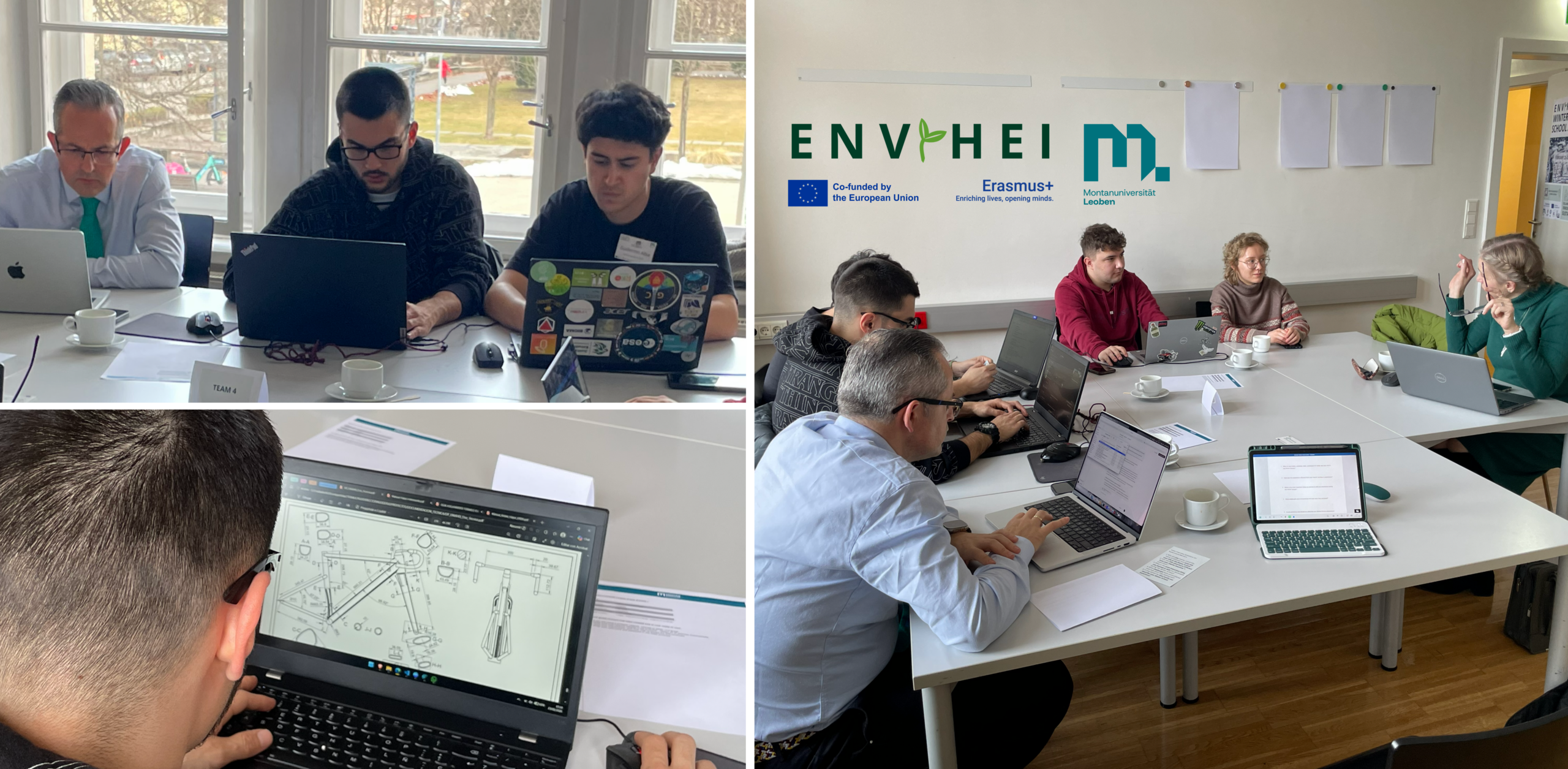
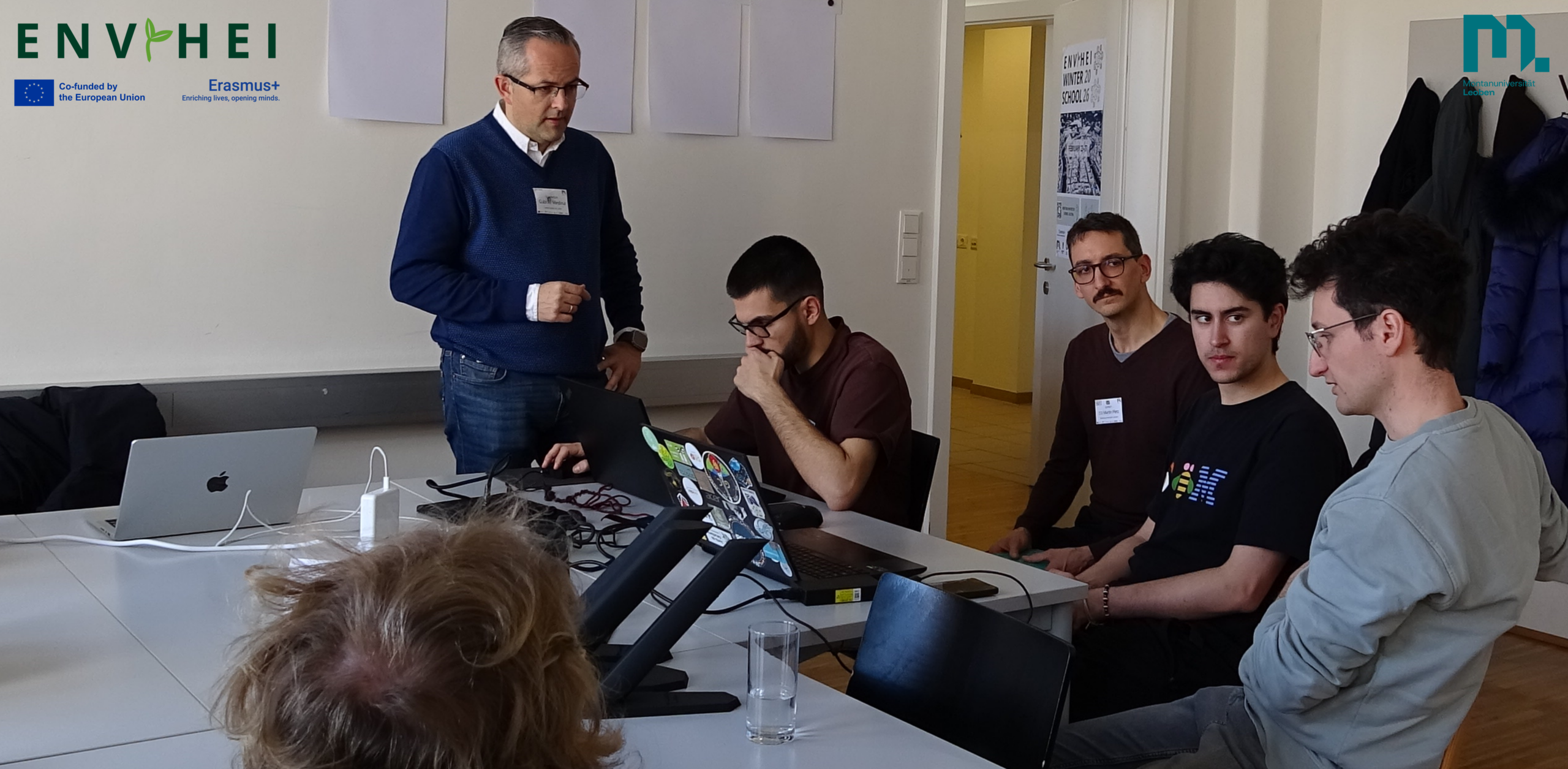
🧠 Expert Collaboration in Leoben
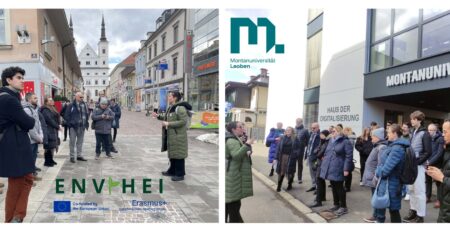
Expert contributions were provided during the in-person sessions and feedback workshops by Andreas Dengg from RELOADED cargobikes and Dipl.-Ing. Dr.mont Martin Pletz from Montanuniversität Leoben. Their combined expertise in sustainable bicycle design, materials engineering, and industrial applications helped the team better understand the environmental impact of material choices and the practical constraints of real-world manufacturing. Their guidance supported the selection of recyclable materials, the integration of functional components, and the alignment of the design with circular economy principles, ultimately strengthening the technical and practical validity of the project.
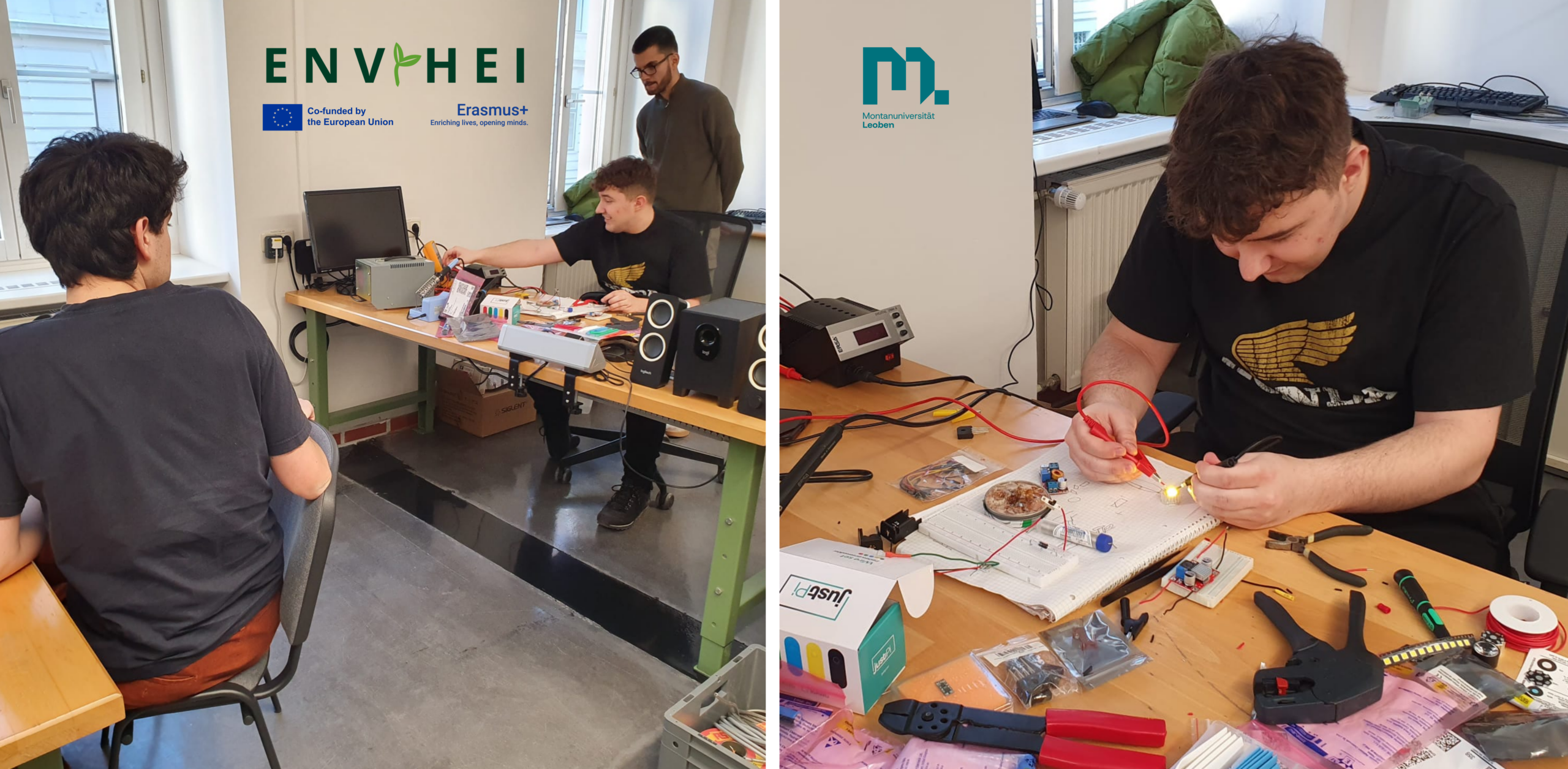
🔬 Laboratory Visits
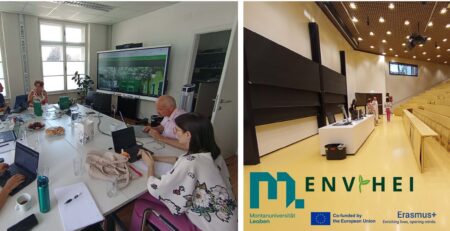
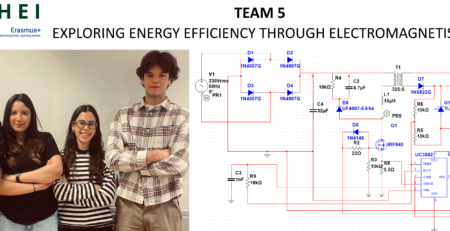
To support their project, students carried out hands-on laboratory work in an electronic lab, where they assembled all the components of the dynamo-powered lighting system. During this session, they connect and integrate the different electronic parts, ensuring proper wiring, functionality, and reliability of the system. This practical experience allowed them to test and refine the real-life prototype that was later demonstrated during the presentation, strengthening the link between theoretical design and working implementation.
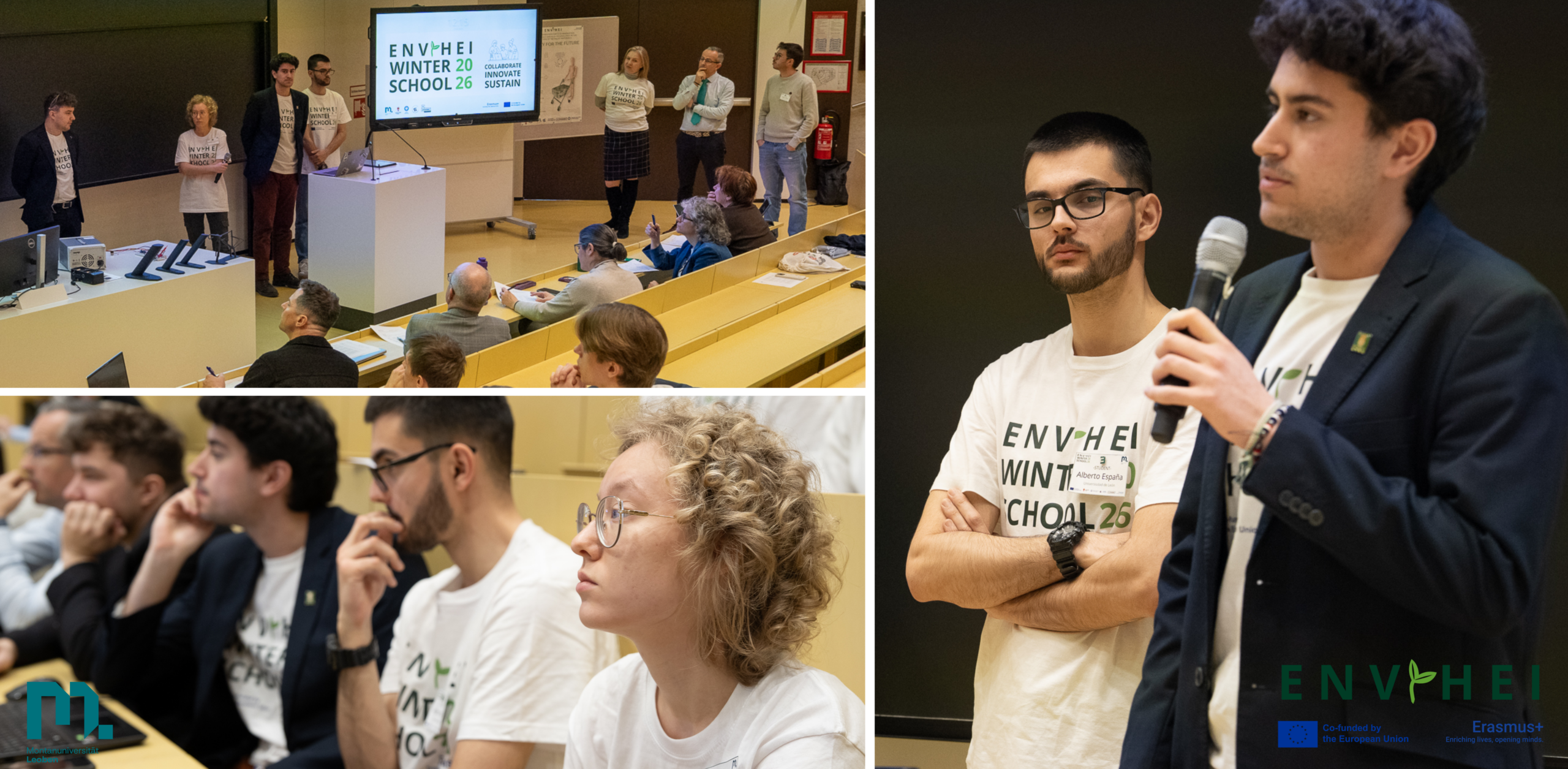
🎤 Final presentation
During the Final Presentation Session, the team presented a 3D-printed prototype of the bicycle, along with the different components developed throughout the project. The demonstration showcased the key design features and innovations, including structural elements and integrated systems. In addition, the students demonstrated in person the functioning of the lighting system, highlighting its practical application and contribution to safety and usability.
🏆 Award & Jury Feedback
The project was awarded the 🏆 Grand Award in recognition of its comprehensive multicriteria approach to sustainability decision-making in bicycle transportation and its basics. The jury particularly highlighted the team’s ability to integrate technical, environmental, and functional aspects into a coherent design, including sustainable solutions such as the dynamo-powered lighting system. Through this approach, the team demonstrated a solid grasp of sustainable engineering principles, successfully integrating performance, reliability, and environmental responsibility into a practical, market-ready solution that balances performance, safety, and sustainability in modern mobility.
More information, photos, and insights about the projects developed during the Winter School will be shared soon. Stay tuned!
Discover more from ENVIHEI - Student-centered learning for ENVIronmental sustainability at Higher Education Institutions
Subscribe to get the latest posts sent to your email.