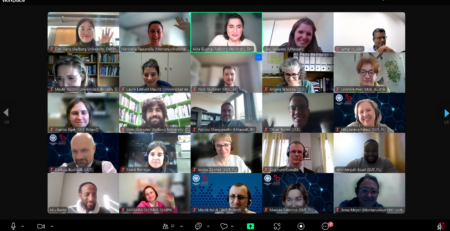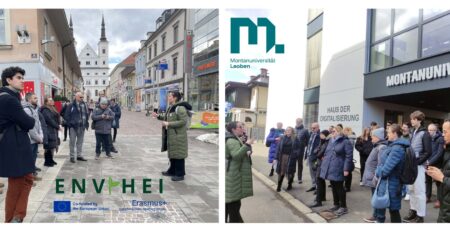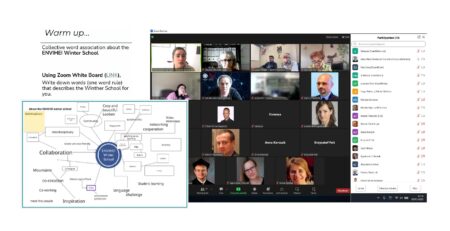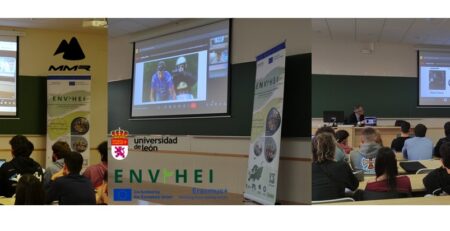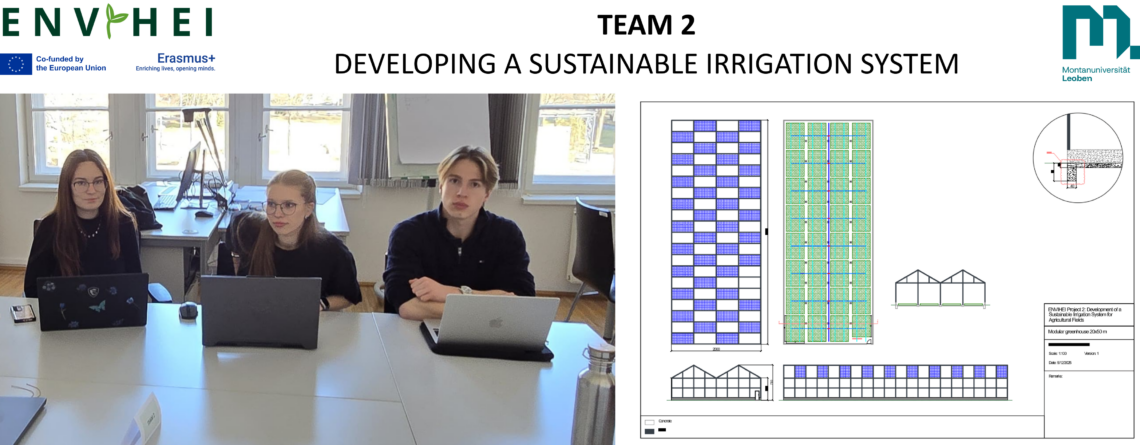
✨Today we introduce the second of the five teams that have participated in the ENVIHEI Winter School. All partners of the team worked intensively during the online phase, developing their ideas and components in parallel, and then brought everything together during the in-person activities in Leoben (Austria) from 23-27 February 2026, where the final results were consolidated and presented in the Final Presentation Session.
👥 Team Composition & Organisation
🎓 The team was supervised by Józef Wiora (Silesian University of Technology), with mentoring support from Marcin Pacholczyk (Silesian University of Technology) and Anna Korczak (Silesian University of Technology). The in-person student team included Eva María González Herrero (University of León), Lars Vandenbergh (Hasselt University), and Paulina Dworaczek (Silesian University of Technology), while Danitza Pazce (University of León) participated online.
🤝 Bringing together complementary expertise in robotics, civil engineering technologies, architecture, and natural risks, the team adopted a truly interdisciplinary approach to address the project challenge.
🔎 Project overview
💧 Team 2 has developed a Project-Based Learning (PBL) entitled “Development of a sustainable irrigation system for agricultural fields”. The project focused on creating a smart irrigation system that optimizes water use in agriculture while promoting responsible resource management.
🎯The aim was to demonstrate how efficient water management – combining rainwater harvesting, storage and automated distribution – can reduce costs while promoting sustainable and resource-independent agriculture.
♻️The main sustainability challenge addressed was the optimization of water use in agriculture by integrating renewable energy, automation, and water reuse into a scalable greenhouse system. Their approach tackles water scarcity and resource efficiency while maintaining productivity, contributing to more resilient and climate-adaptive farming practices.
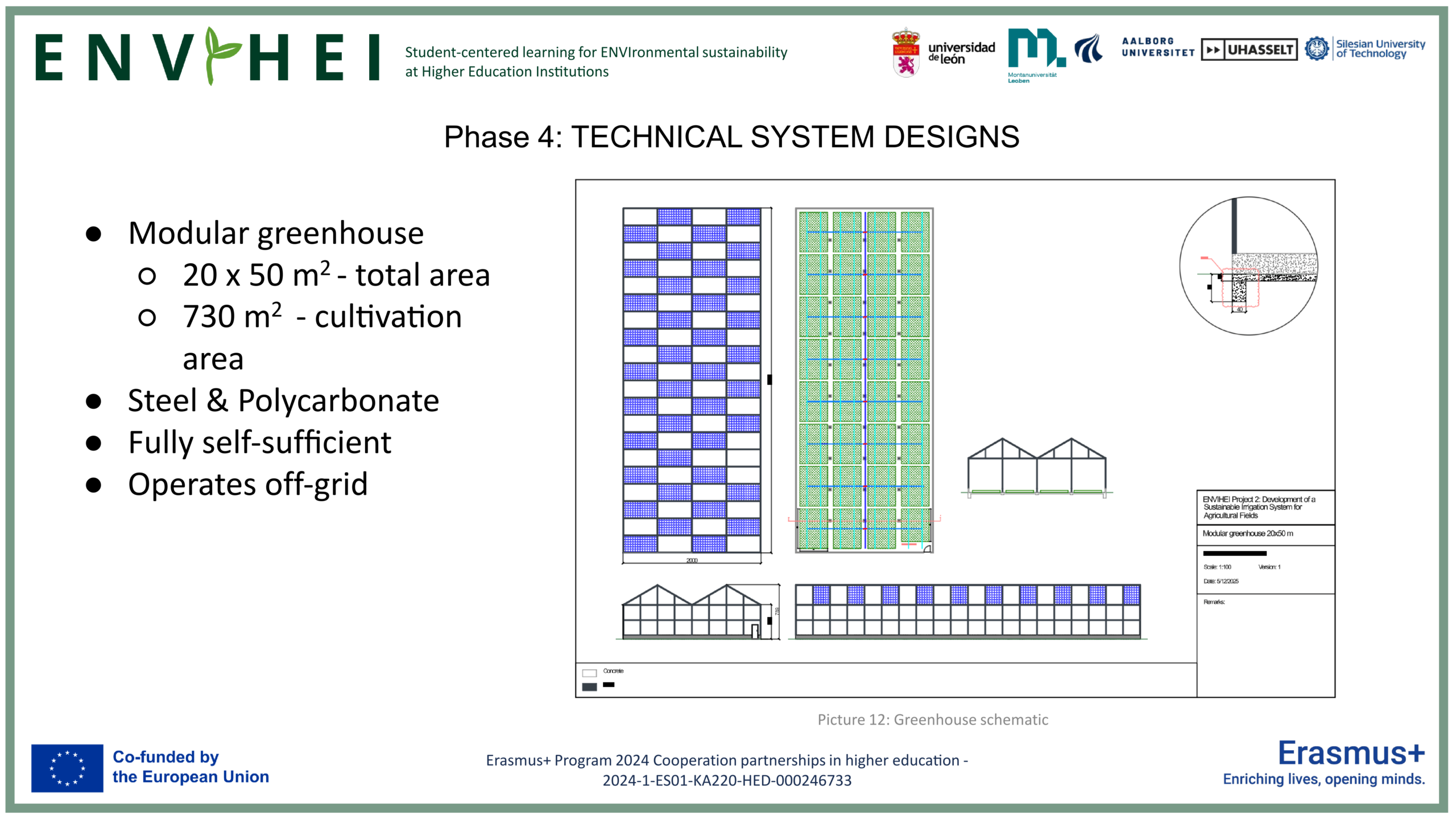
🛠️ The team structured their project into four main design phases. (1) They first defined the agricultural context by selecting the site, sizing a 1,000 m² modular greenhouse (20 × 50 m) with a 30° sloped roof, and choosing red currant as the target crop based on agronomic requirements, which allowed them to determine precise irrigation needs and plant spacing. (2) They then developed the water management strategy, focusing on rainwater harvesting, storage systems, and optimised irrigation scheduling. (3) The third phase explored energy solutions, particularly renewable energy systems to support autonomous operation. (4) Finally, they integrated all components into a complete system design and evaluated its feasibility and implementation potential.
🌱 Building on this framework, the team has developed the core technical system, including rainwater capture from greenhouse roofs, preliminary storage and hydraulic calculations, and a drip irrigation network powered by solar-driven pumps. They have also worked on selecting an optimal storage solution and refining the irrigation distribution layout to ensure efficient and reliable water delivery.
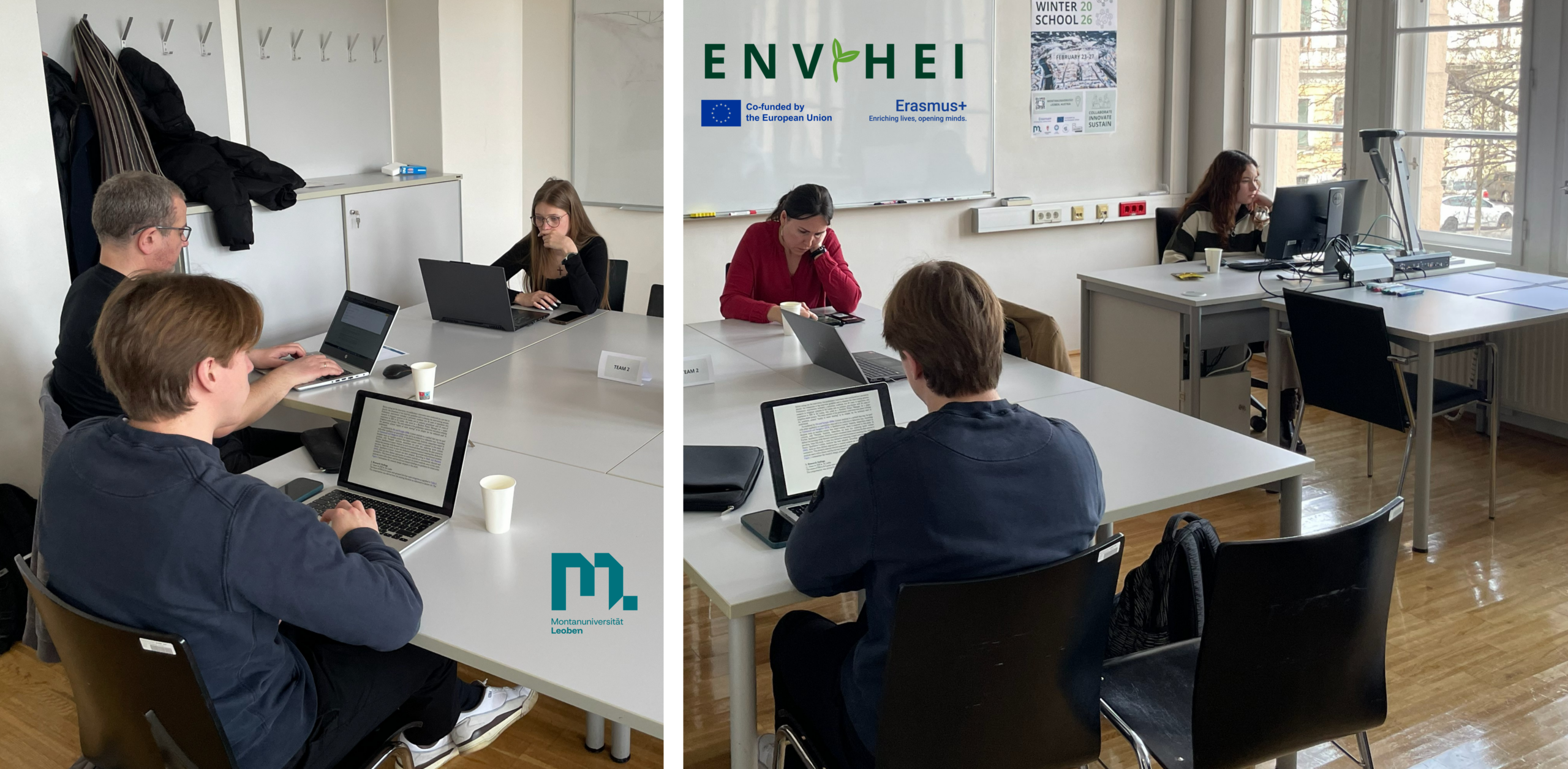
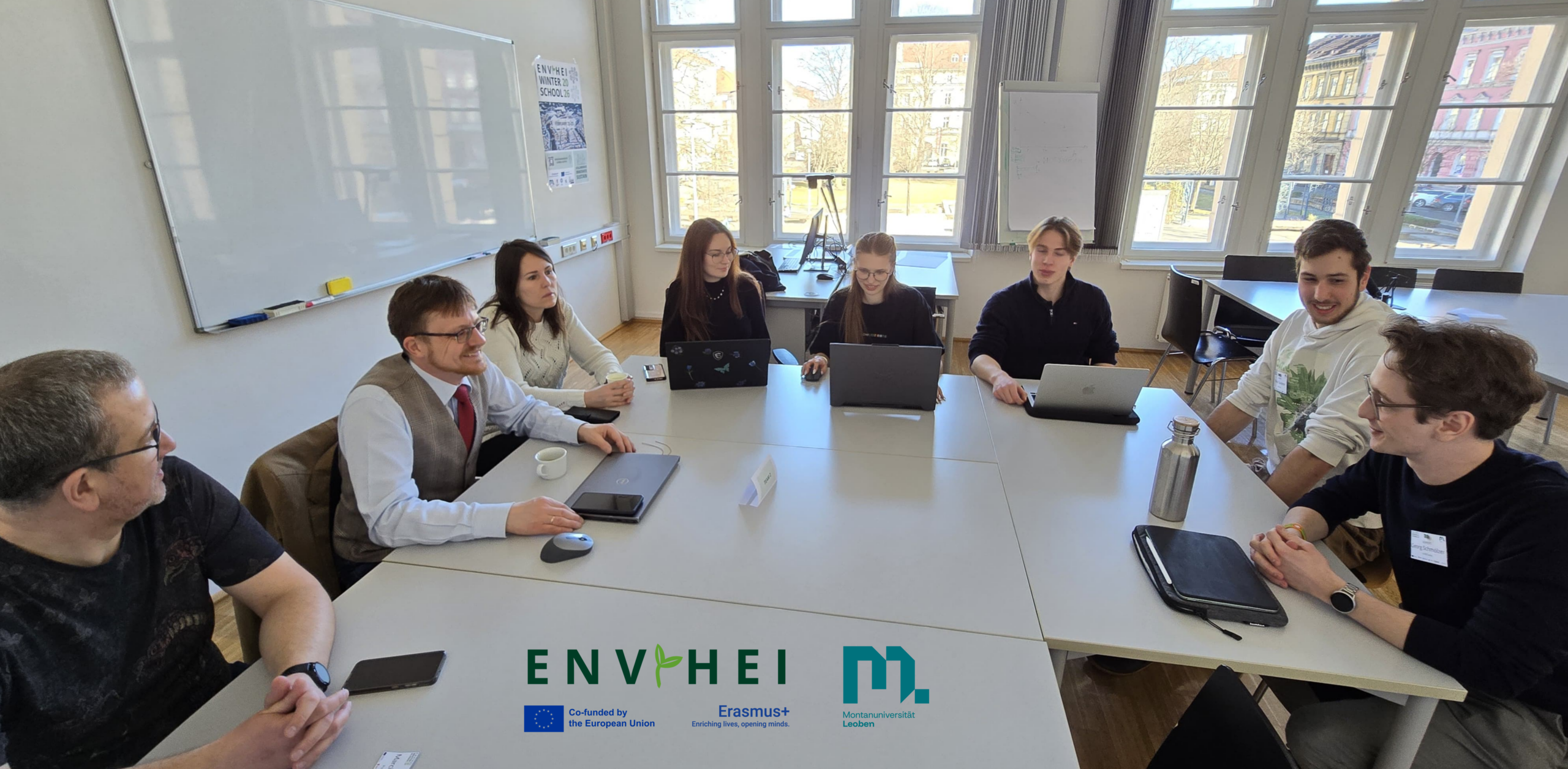
🧠 Expert Collaboration in Leoben
Expert contributions were provided during the in-person sessions and feedback workshops by shiftTanks experts Georg Schmölzer and Nico Tauderer. Their input focused on sustainable water management and nature-based irrigation strategies, particularly in the context of rainwater harvesting, water storage, and efficient distribution systems for agricultural and agroforestry applications. They supported the project by providing practical and field-based feedback on system design considerations, highlighting real-world constraints, implementation strategies, and the relevance of integrated water-resource solutions for sustainable and resource-efficient agriculture.
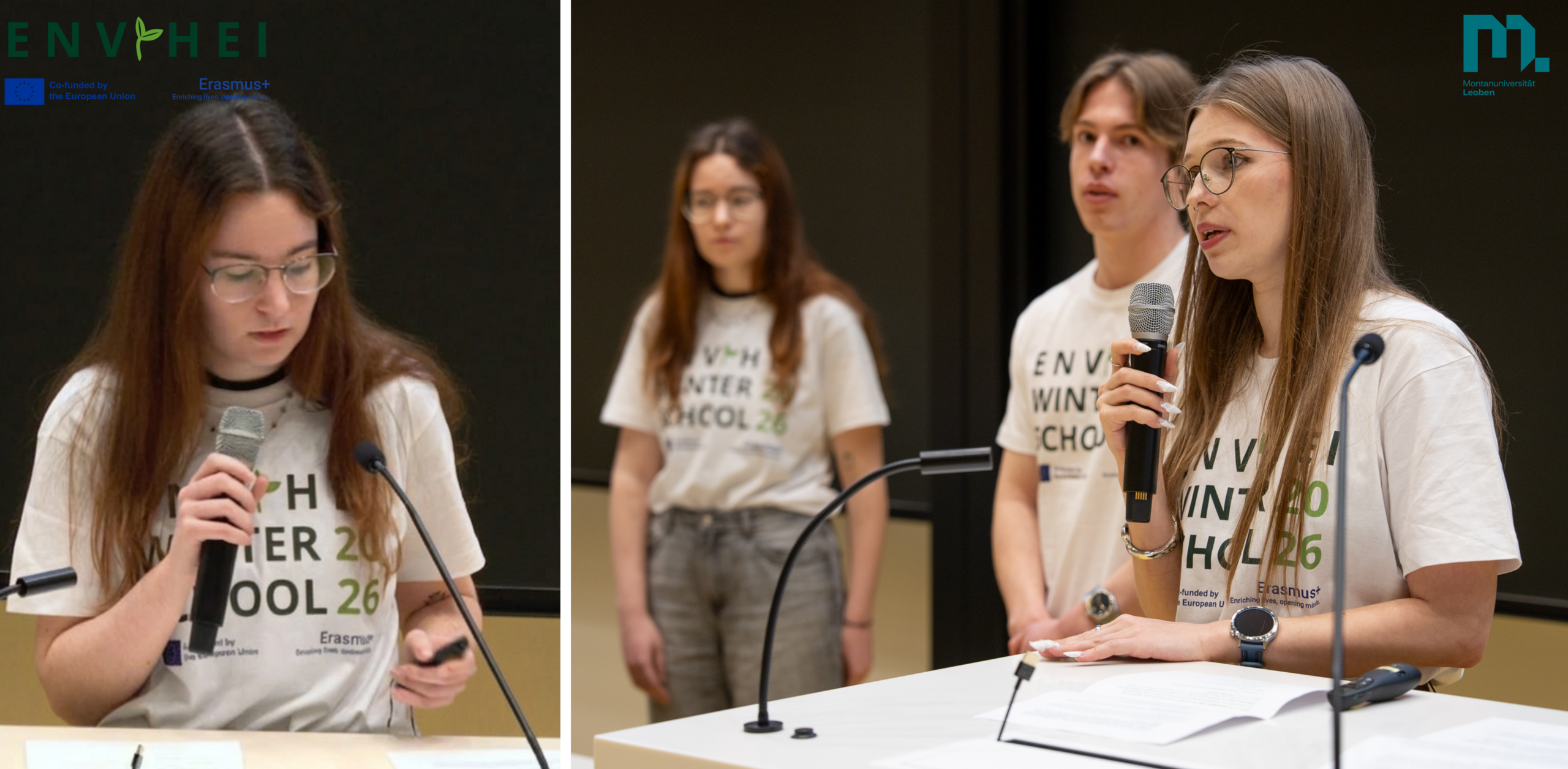
🎤 Final presentation
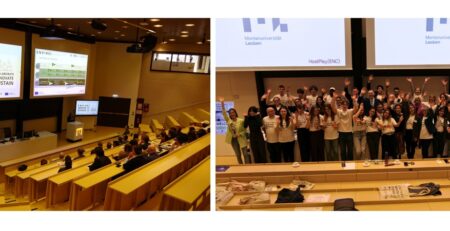
During the Final Presentation Session, the team presented the results of their project, showcasing the full development process and final integrated system design. They demonstrated how their modular 1,000 m² greenhouse combines rainwater harvesting, storage, solar-powered pumping, and automated drip irrigation into a cohesive solution. This presentation helped the audience clearly understand the project concept, key technical decisions, and overall system development from initial design to final configuration.
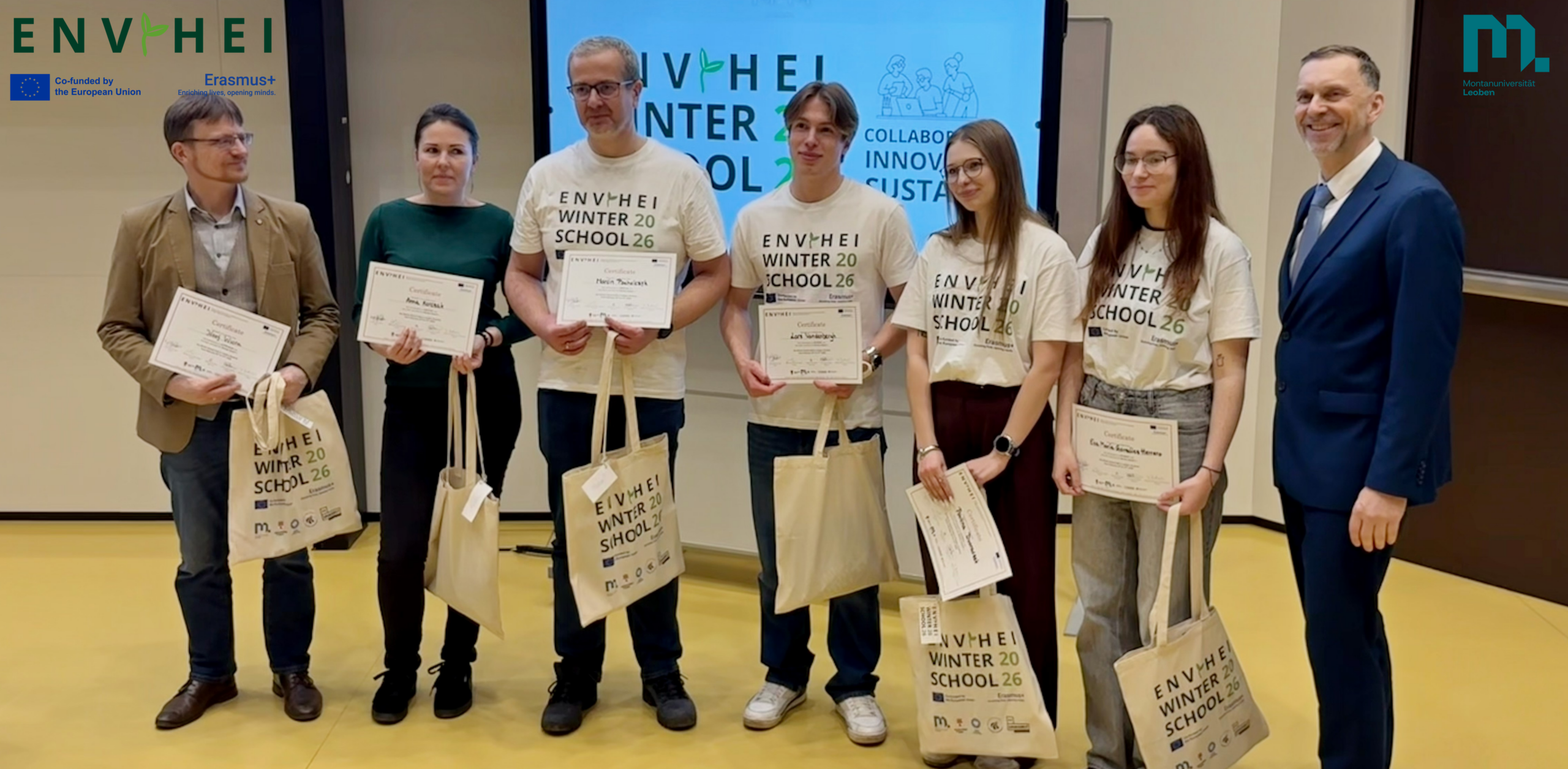
🏆 Award & Jury Feedback
The project was awarded the 🥉Bronze Award in recognition of its innovative exploration of future-oriented agriculture and climate change adaptation. The team was praised for their forward-looking approach to sustainable irrigation systems, supported by well-developed calculations for water scheduling and system optimisation. Through their modular greenhouse design and smart water management concept, they successfully demonstrated how engineering solutions can address water scarcity challenges while promoting efficient and climate-resilient agricultural practices.
More information, photos, and insights about the projects developed during the Winter School will be shared soon. Stay tuned!
Discover more from ENVIHEI - Student-centered learning for ENVIronmental sustainability at Higher Education Institutions
Subscribe to get the latest posts sent to your email.