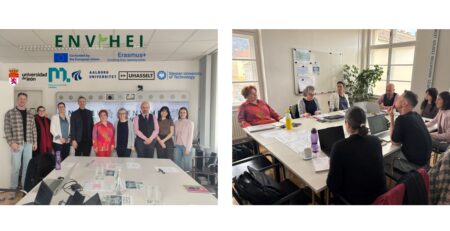
✨Today we introduce the first of the five teams that have participated in the ENVIHEI Winter School. All partners of the team worked intensively during the online phase, developing their ideas and components in parallel, and then brought everything together during the in-person activities in Leoben (Austria) from 23-27 February 2026, where the final results were consolidated and presented in the Final Presentation Session.
👥 Team Composition & Organisation
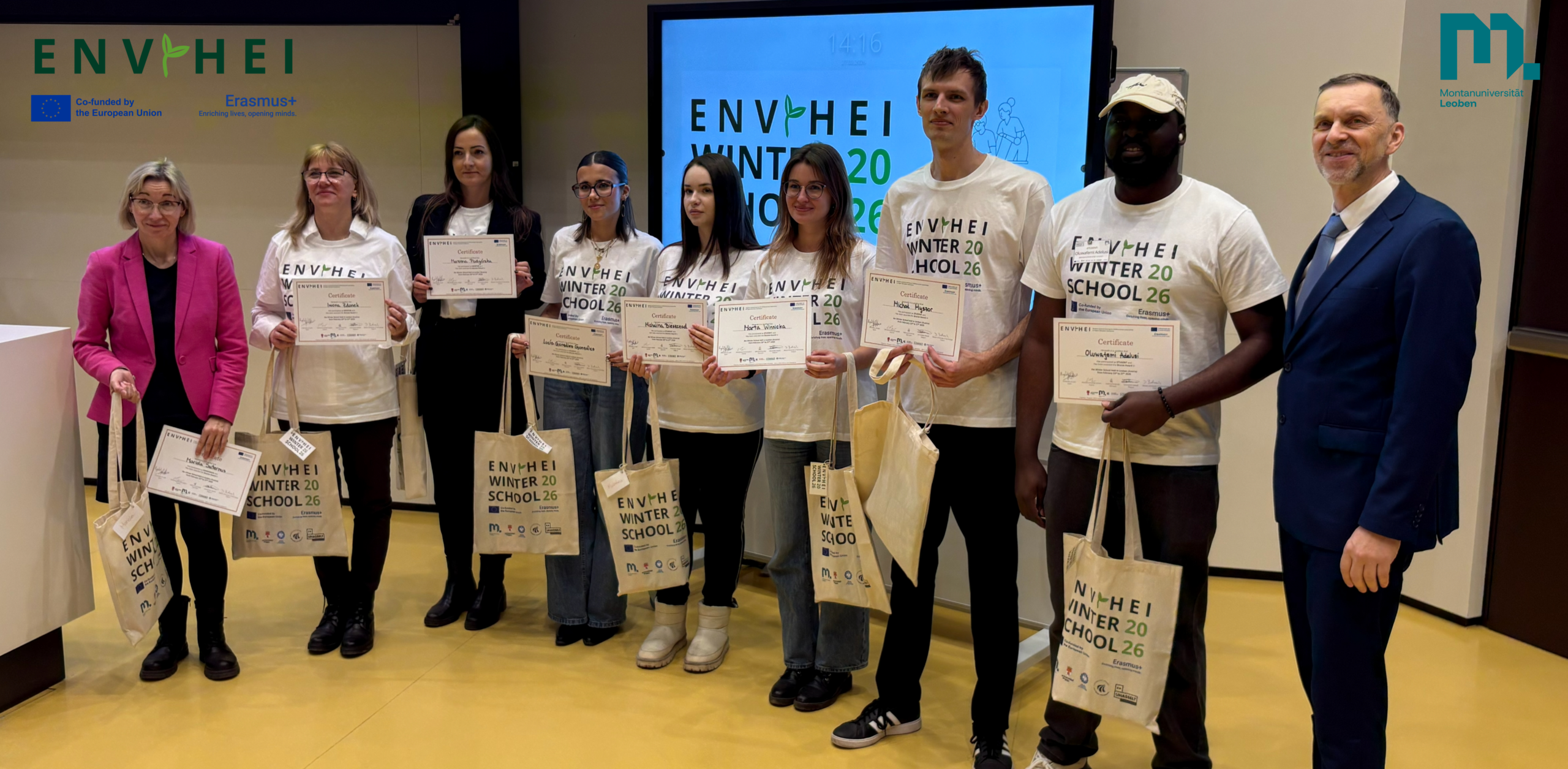
🎓 The team was supervised by Mariola Saternus (Silesian University of Technology), with mentoring support from Iwona Zdonek (Silesian University of Technology) and Marzena Podgórska (Silesian University of Technology). The in-person student team included Lucía González González (University of León), Marta Winnicka (Silesian University of Technology), Michał Myszor (Silesian University of Technology), Michalina Bieszczad (Silesian University of Technology), and Oluwafemi Adelusi (Montanuniversität Leoben), with no additional online participants.
🤝 Bringing together complementary expertise in environmental sciences, architecture, mechanical engineering, cognitive technologies, and safety and disaster management, the team adopted a truly interdisciplinary approach to address the project challenge.
🔎 Project overview
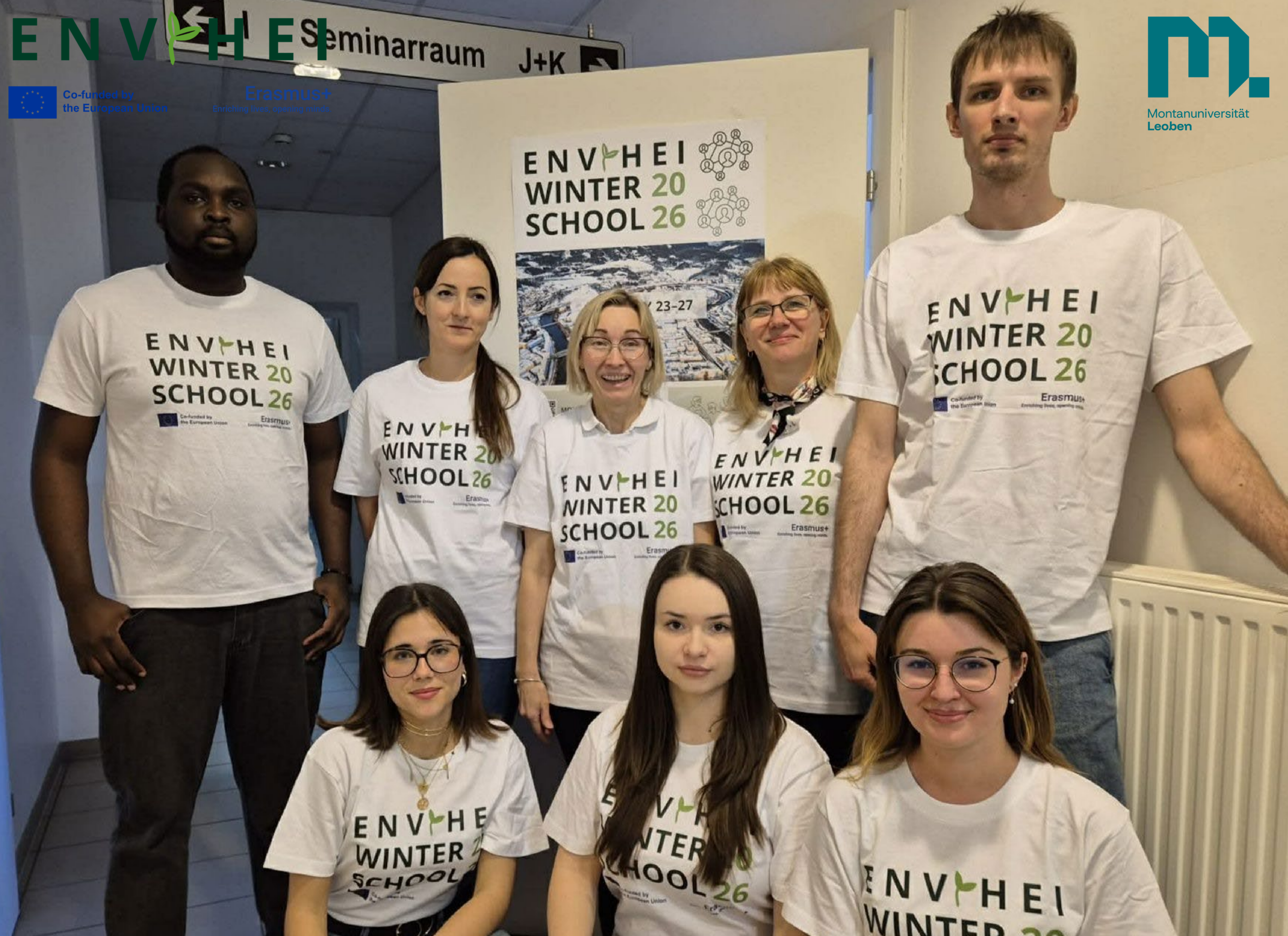
📱 Team 1 has developed a Project-Based Learning (PBL) entitled “Recovering metals from used mobile phones”. The project focused on designing an educational board game to raise awareness about electronic waste and the recovery of valuable materials from discarded smartphones.
🎯The aim was to translate the complexity of metal recovery processes into an engaging learning experience, using scientific insights into hydrometallurgical, pyrometallurgical and bioleaching processes involved in metal recovery from Waste Electrical and Electronic Equipment (WEEE).
♻️The main sustainability challenge addressed was the low global recycling rate of electronic devices, despite the presence of critical and precious metals in their composition.
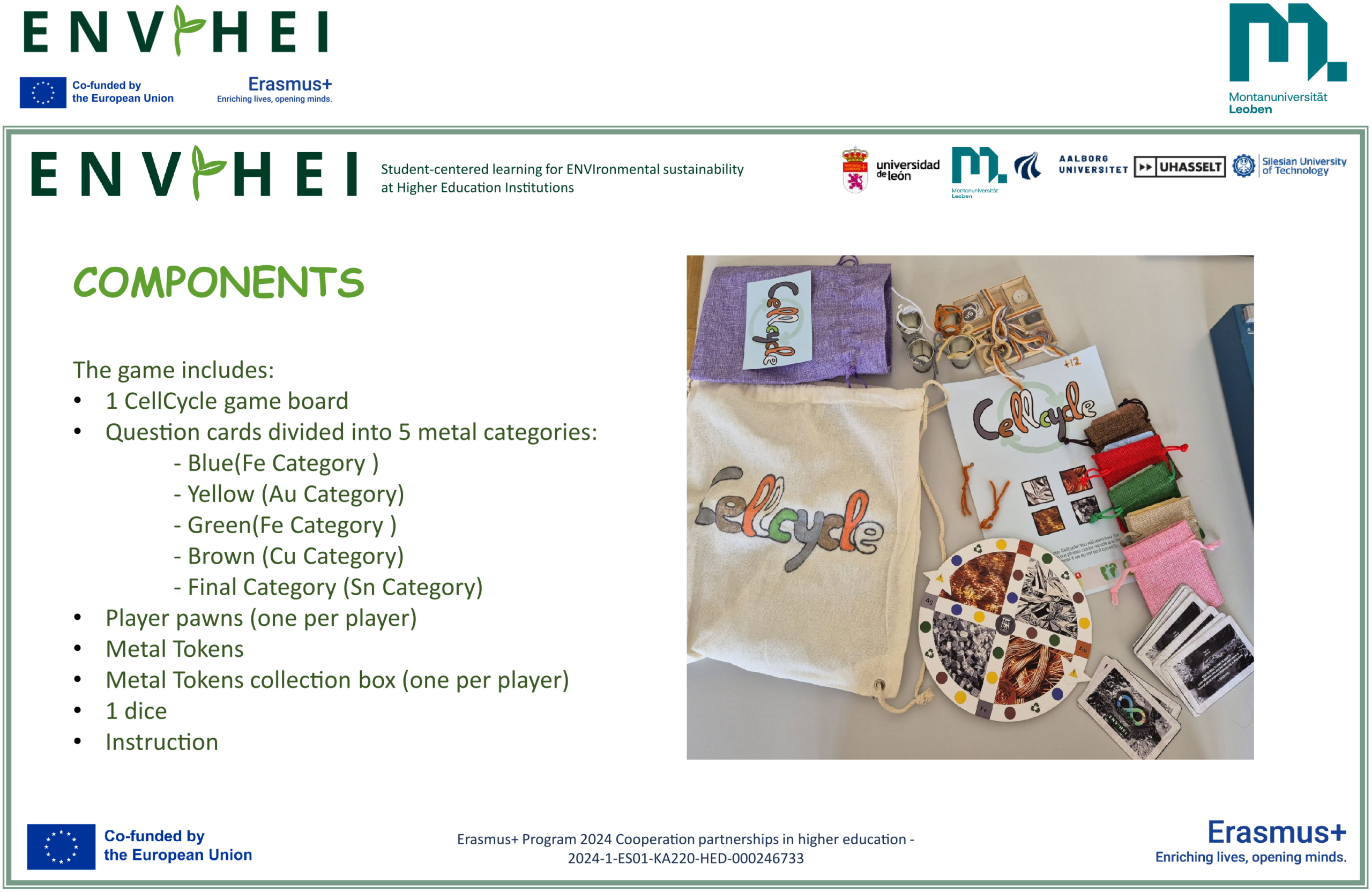
🛠️ Following a structured workflow -from defining the game concept and developing the questions to designing the graphics, building the prototype, and conducting initial tests- the team created an interactive board game “CellCycle” that turns complex industrial recycling processes into an accessible and engaging learning experience.
🎲 The game combines strategic movement with knowledge-based challenges. Players advance through the stages of metal recovery by answering category questions, collecting tokens, and navigating both beneficial and hazardous spaces on the board. The game simulates circular economy principles, encouraging players to think critically about electronic waste management, resource efficiency, and sustainable decision-making while competing to be the first to complete the full recovery cycle. During the in-person phase, the team refined and tested the prototype, incorporating feedback from supervisors, mentors and experts.
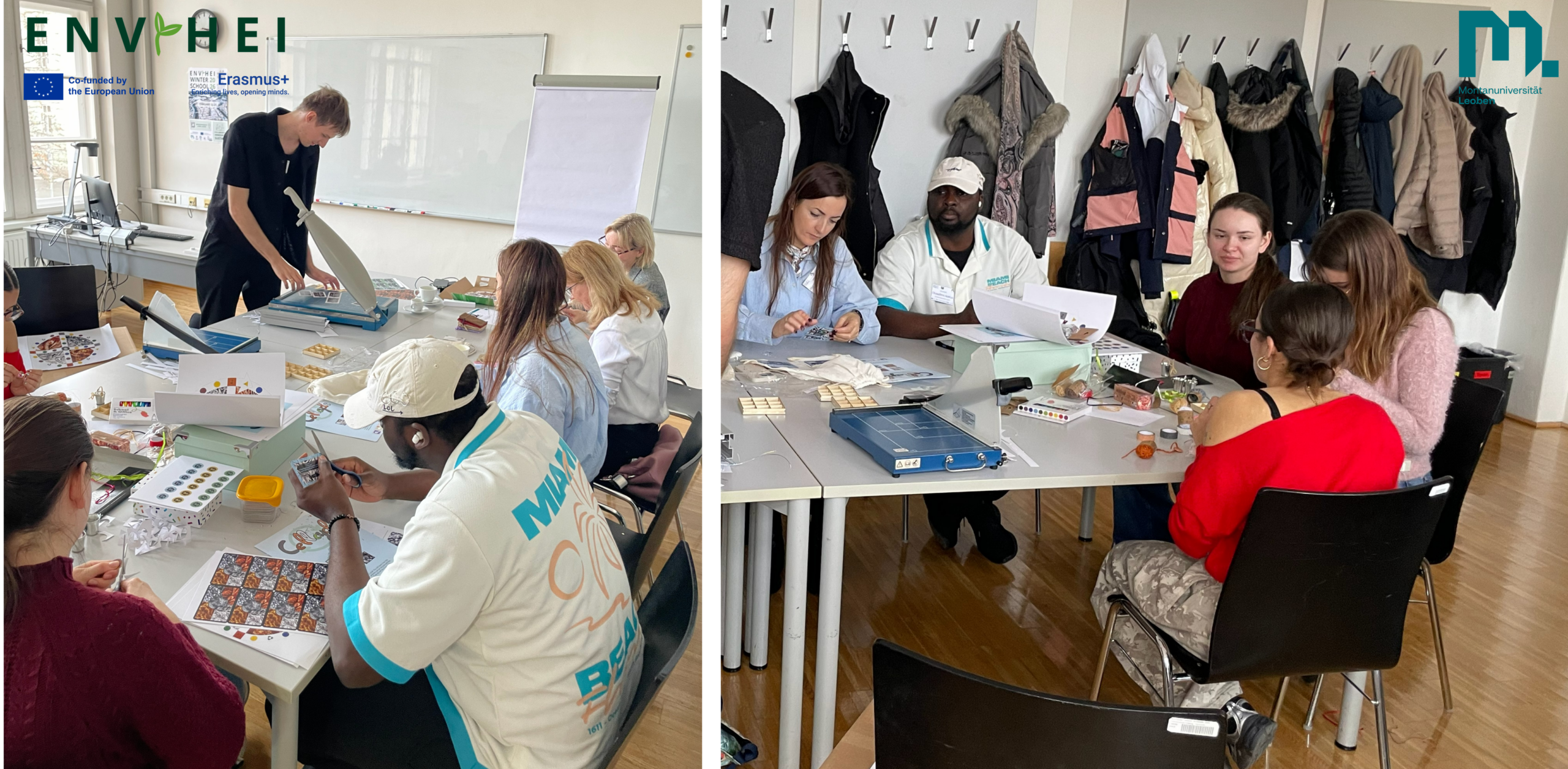
🧠 Expert Collaboration in Leoben
Expert contributions were provided during the in-person sessions and feedback workshops by Ass.-Prof. Dipl.-Ing. Dr.mont. Eva Gerold (Chair of Nonferrous Metallurgy, Montanuniversität Leoben). Her input focused on metallurgical and recycling-related aspects, particularly in the field of non-ferrous metallurgy and hydrometallurgical processing of secondary raw materials, including metal recovery and sustainable recycling strategies. She supported the project by providing scientific feedback on process relevance, material considerations, and methodological approaches relevant to circular economy applications in metallurgy.
🔬 Laboratory Visits
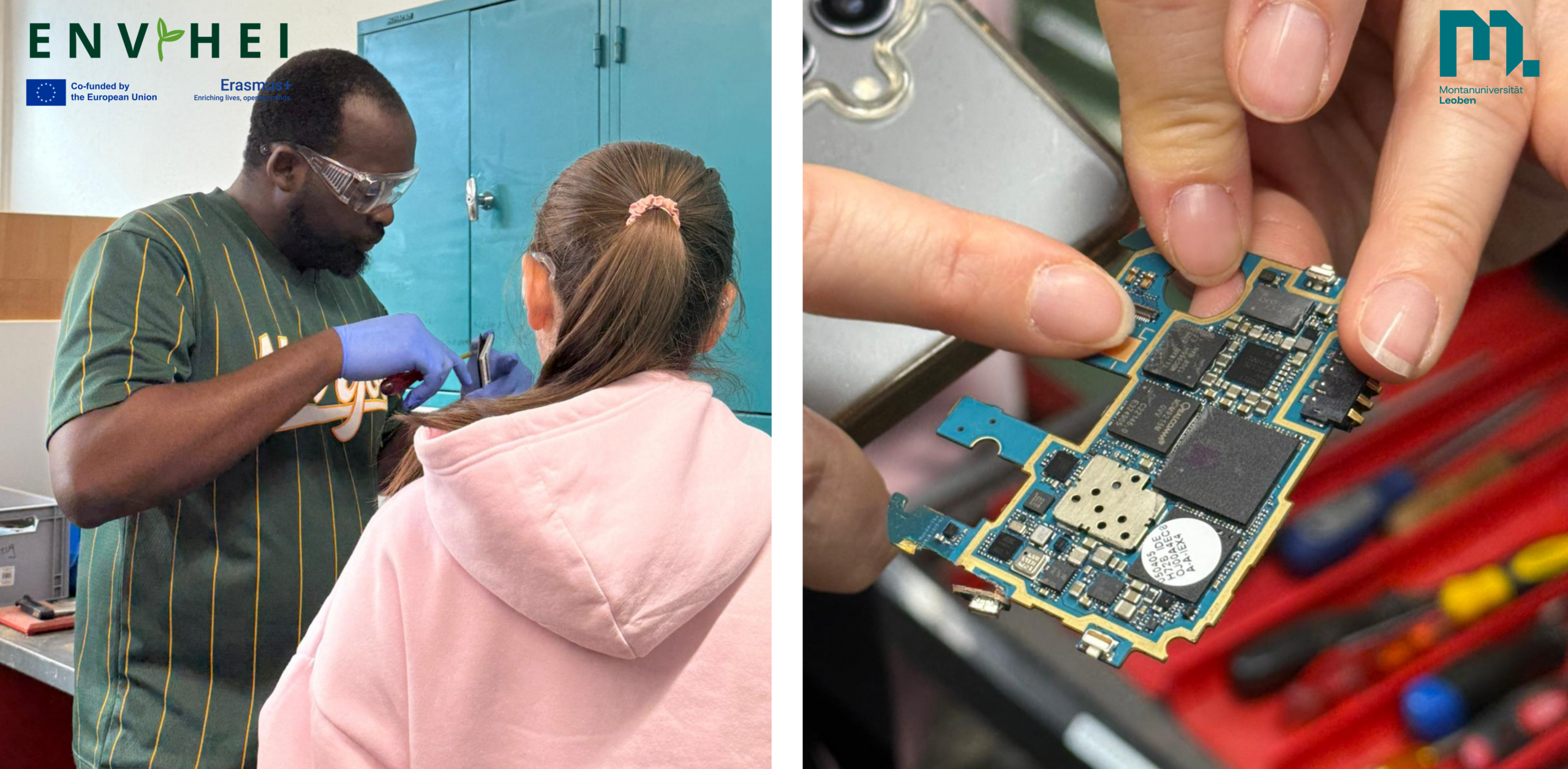
To support their project, students carried out hands-on laboratory work in a mechanical lab, where they dismantled mobile phones to identify and analyze their components, gaining practical insight into material composition and the potential for metal recovery.
🎤 Final presentation
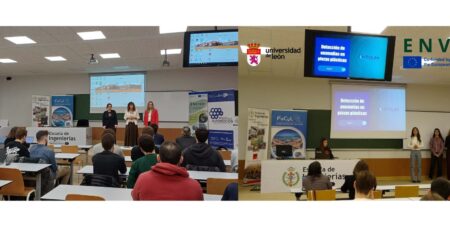
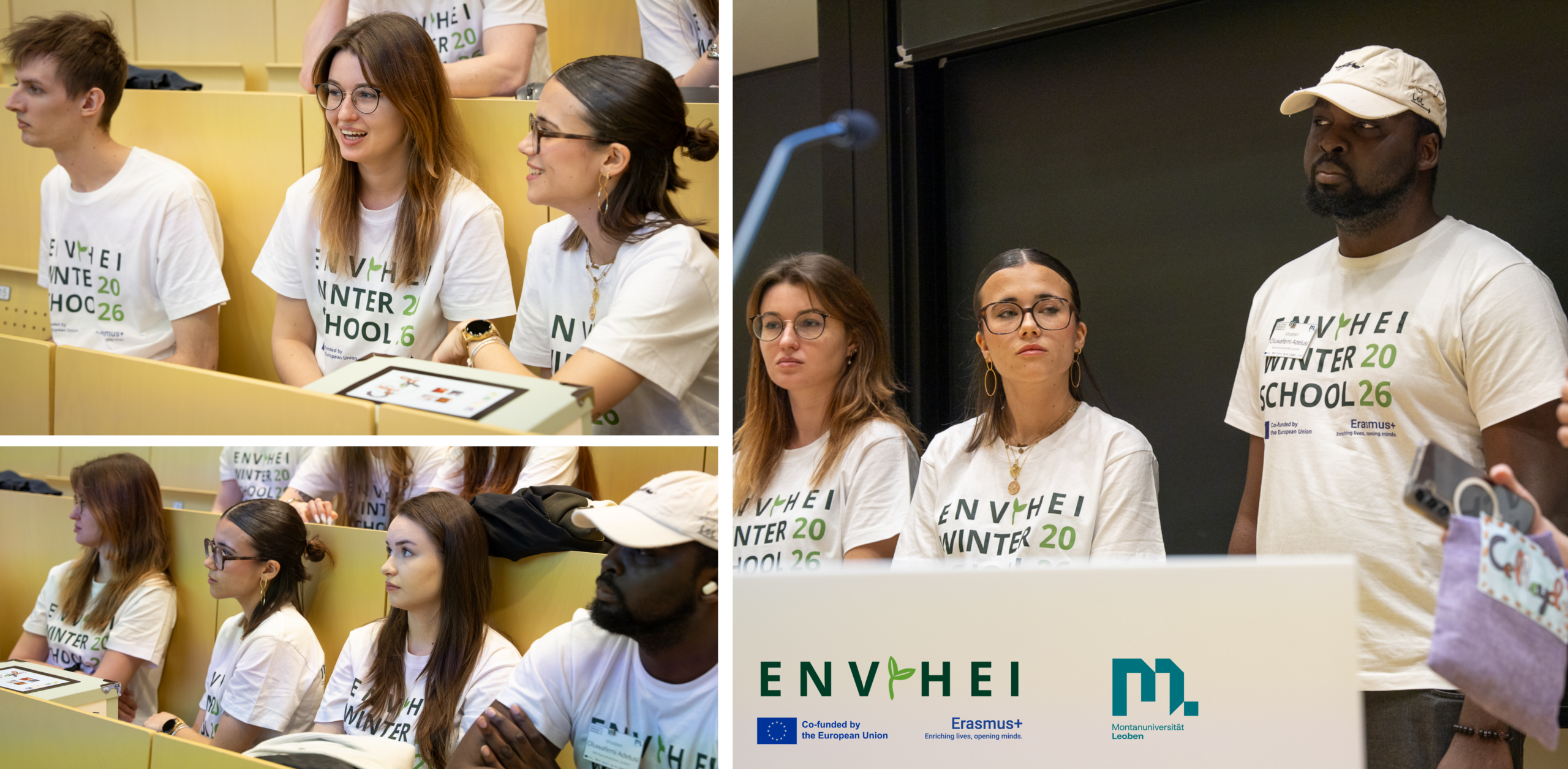
During the Final Presentation Session, the team also showcased the original physical version of the board game, providing participants with a tangible demonstration of the final product alongside the presentation slides. This allowed the audience to better understand the game mechanics, materials, and design choices, while also seeing how the concept translated from theory into a fully developed educational tool.
🏆 Award & Jury Feedback
The project was awarded the 🥉Bronze Award in recognition of its strong contribution to environmental education across different educational levels. The project was praised for its ability to transform complex sustainability topics -particularly electronic waste and metal recovery- into an engaging and accessible interactive learning experience. Through their educational board game, the team successfully promoted awareness, critical thinking, and understanding of circular economy principles among diverse audiences, demonstrating both educational impact and innovative approaches to sustainability education.
More information, photos, and insights about the projects developed during the Winter School will be shared soon. Stay tuned!
Discover more from ENVIHEI - Student-centered learning for ENVIronmental sustainability at Higher Education Institutions
Subscribe to get the latest posts sent to your email.