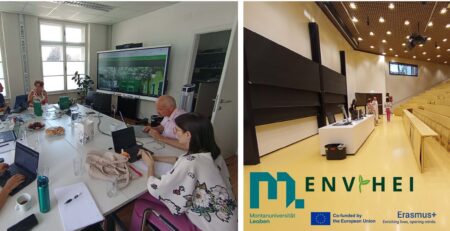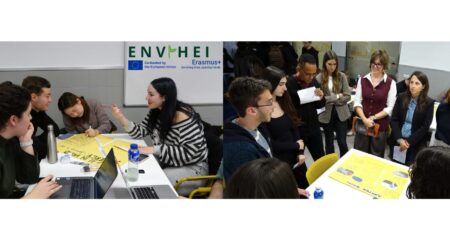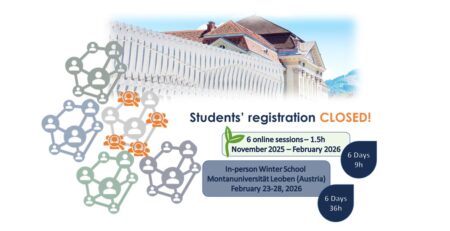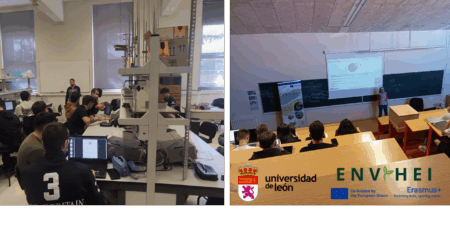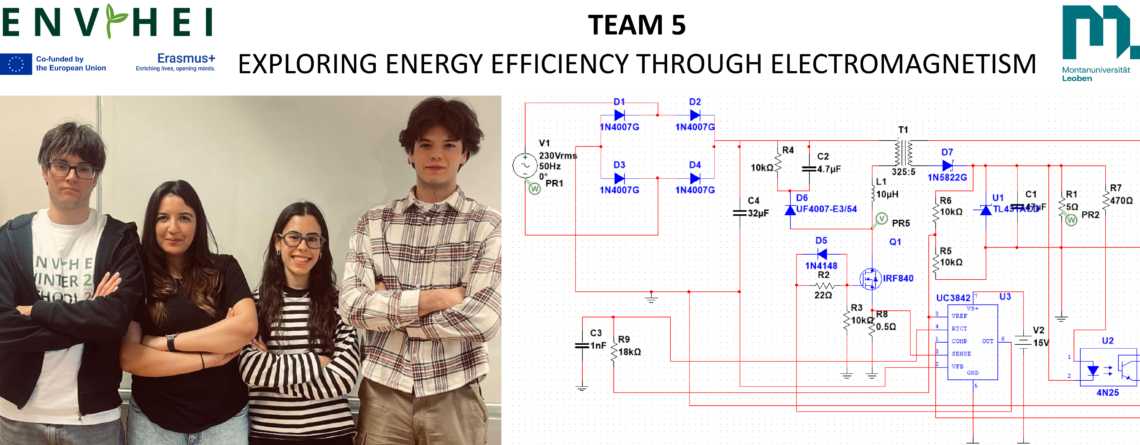
✨Today we introduce the fifth of the five teams that have participated in the ENVIHEI Winter School. All partners of the team worked intensively during the online phase, developing their ideas and components in parallel, and then brought everything together during the in-person activities in Leoben (Austria) from 23-27 February 2026, where the final results were consolidated and presented in the Final Presentation Session.
👥 Team Composition & Organisation
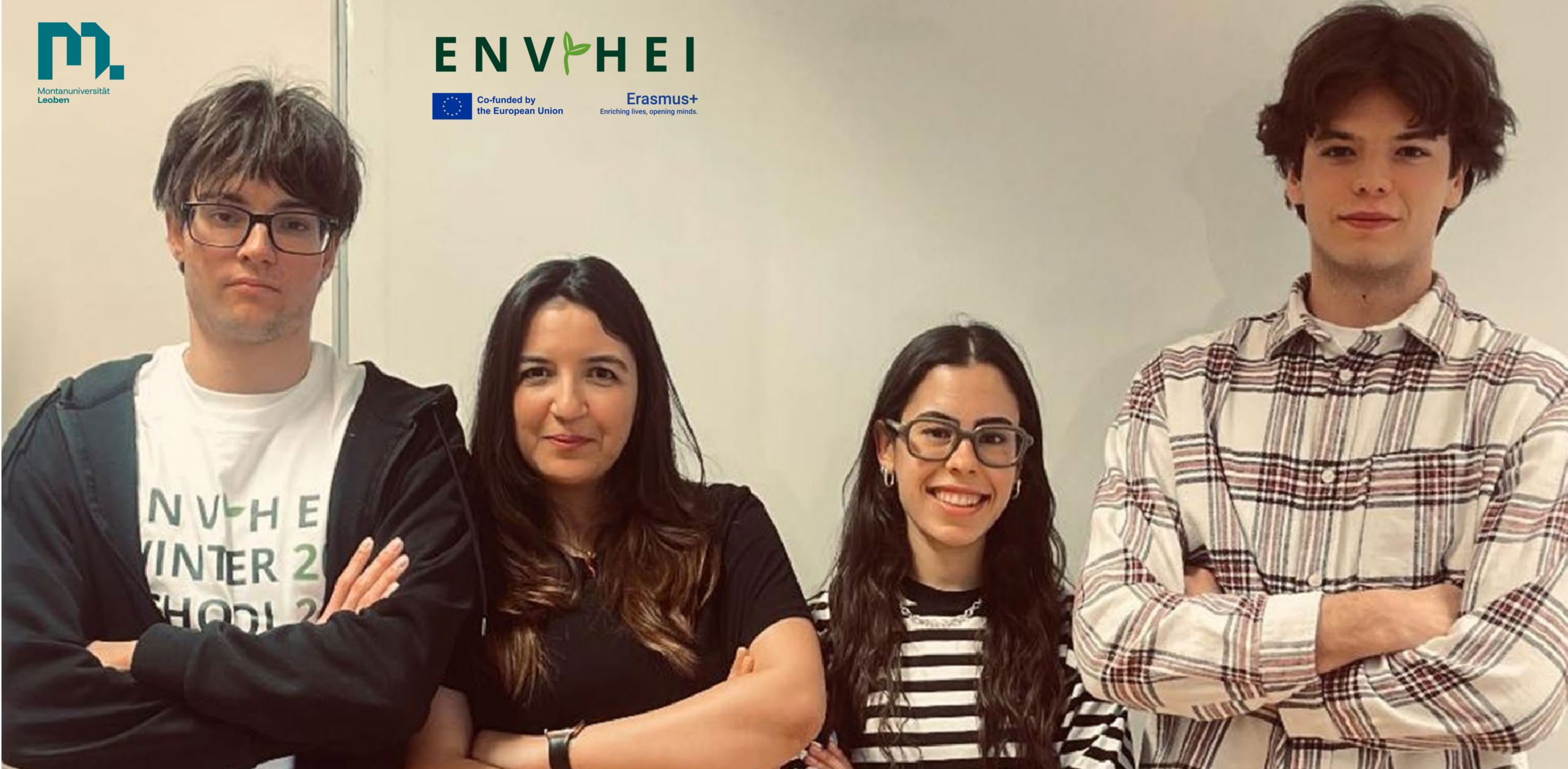
🎓 The team was supervised by Alejandro Ibrahim Corbea Pérez (University of León), with mentoring support from Oliver Torres Reynoso (University of León) and Agnieszka Sekala (Silesian University of Technology). The in-person student team included Salma Mezzi (Montanuniversität Leoben), Sofía Pavón Fernández (University of León), Michał Pietras (Silesian University of Technology), and Jan Mincewicz (Silesian University of Technology).
🤝 Bringing together complementary expertise in automation and robotics, aerospace engineering, electrical engineering and safety and disaster management, the team adopted a truly interdisciplinary approach to address the project challenge.
🔎 Project overview
⚡ Team 5 has developed a Project-Based Learning (PBL) entitled “Eco-charger”. The project focused on designing a digital twin of a mobile phone charger, meaning a virtual, computer-based model that replicates the behaviour of a real charger.
🎯The aim was to understand how chargers operate and to identify where energy is lost, using digital simulation tools to compare design options and evaluate performance. In parallel, the project explored user behaviour, consumption patterns, and the broader societal context influencing the adoption of energy-efficient solutions.
♻️The main sustainability challenge addressed was reducing energy waste in everyday devices by improving charger design. The project highlighted how efficiency gains can lower resource use, extend product lifetime, and reduce environmental impact, while also encouraging more responsible consumption practices.
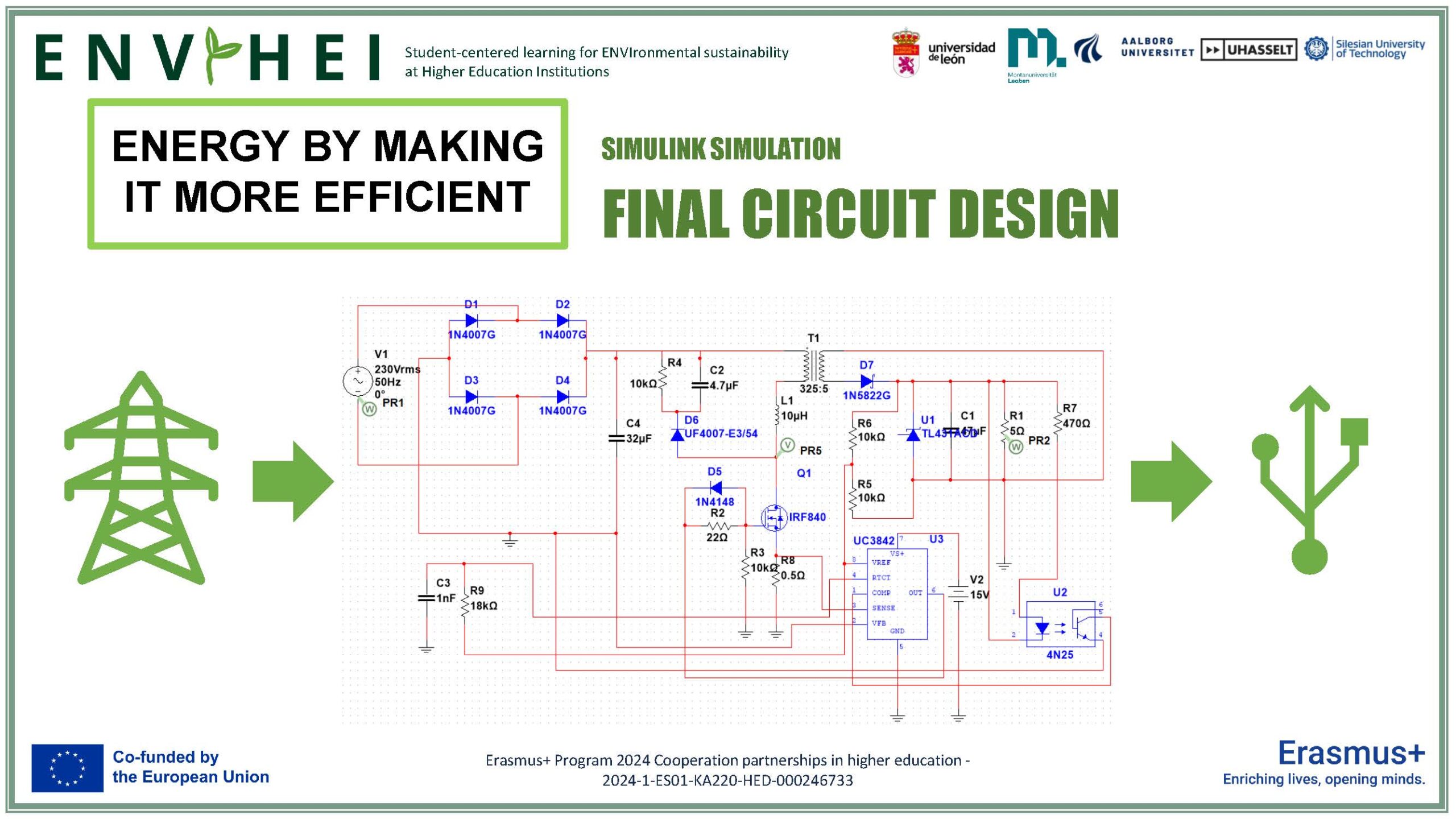
🛠️ Following a structured collaborative approach, the team explored how a typical charger works and where energy is lost in the process. Using digital simulation tools, they compared different design options, observed how heat is generated, and identified what makes one charger more efficient than another. In addition, the team explored the marketing and societal context of their design, describing user behaviour, consumption habits, and the value of energy-efficient products.
⚡ The resulting product is a sustainable eco-charger that combines energy-efficient design with the use of recycled materials, such as post-consumer recycled (PCR) polycarbonate, within a circular economy approach. Building on a baseline analysis that identified key energy losses in standard topologies (with an initial efficiency of ~40%), the team developed an optimised circuit design that minimises switching losses and improves thermal management. Performance validation through comparative load testing across different resistance levels demonstrated a significant improvement, achieving efficiencies of over 80%.
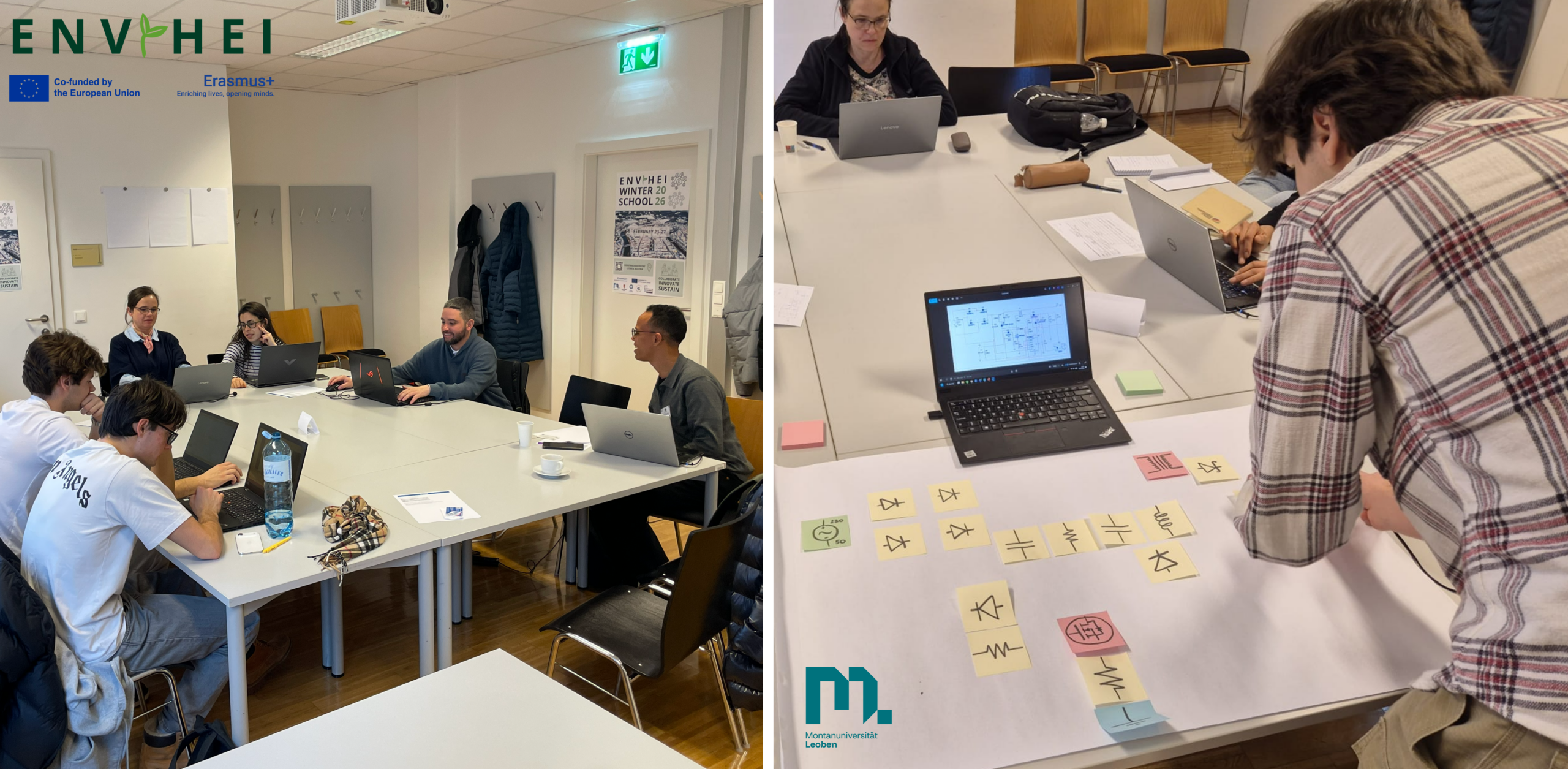
🧠 Expert Collaboration in Leoben
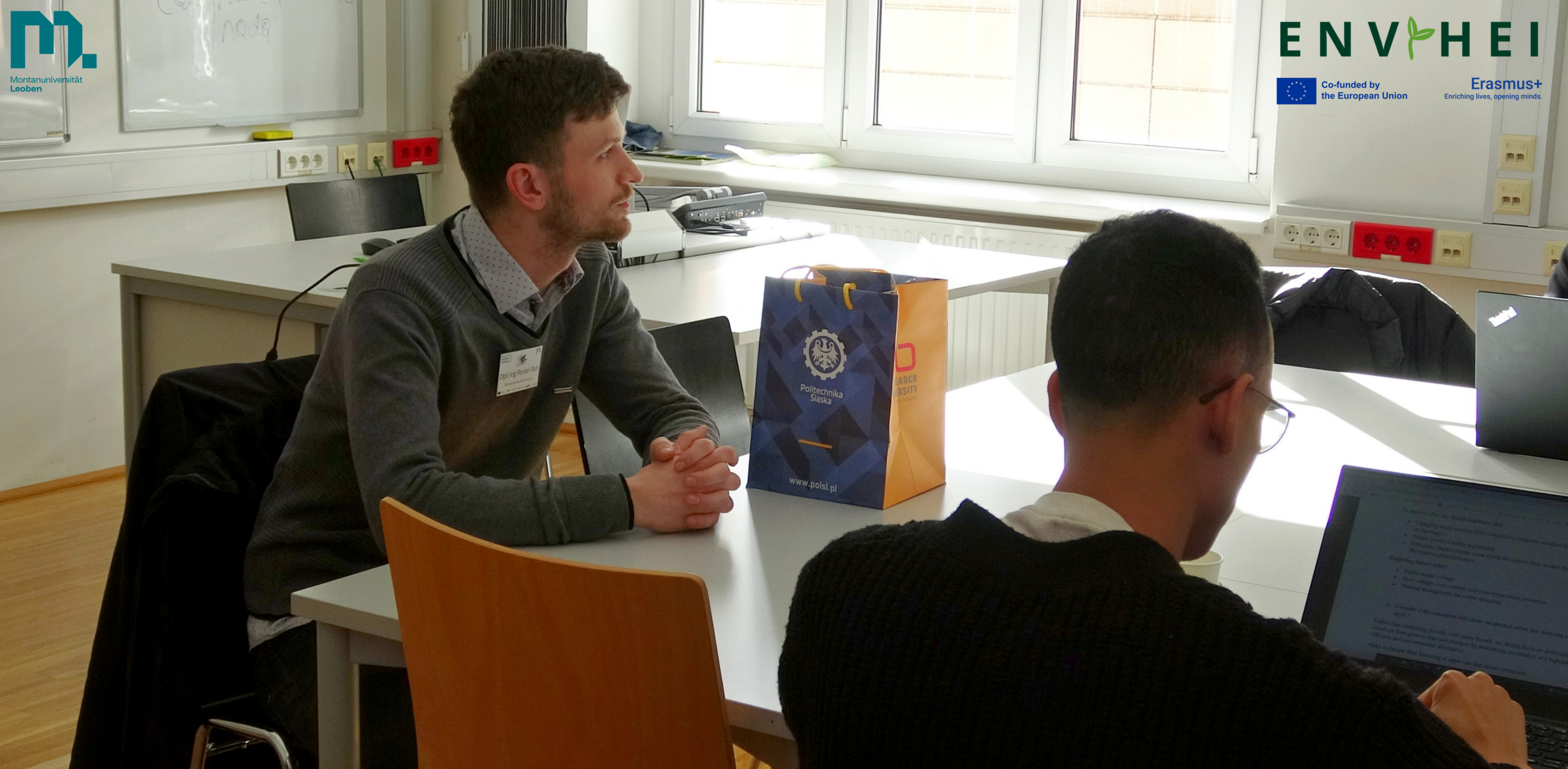
Expert contributions were provided during the in-person sessions and feedback workshops by Dipl.-Ing. Florian Floh, Chair of Electrical Engineering at Montanuniversität Leoben. Their expertise in power electronics and energy systems supported the team in analysing the Eco-charger’s efficiency, particularly regarding switching losses, thermal behaviour, and overall performance. Their guidance improved the interpretation of simulation results and helped translate them into practical design improvements, strengthening the project’s technical validity and real-world relevance.
🎤 Final presentation
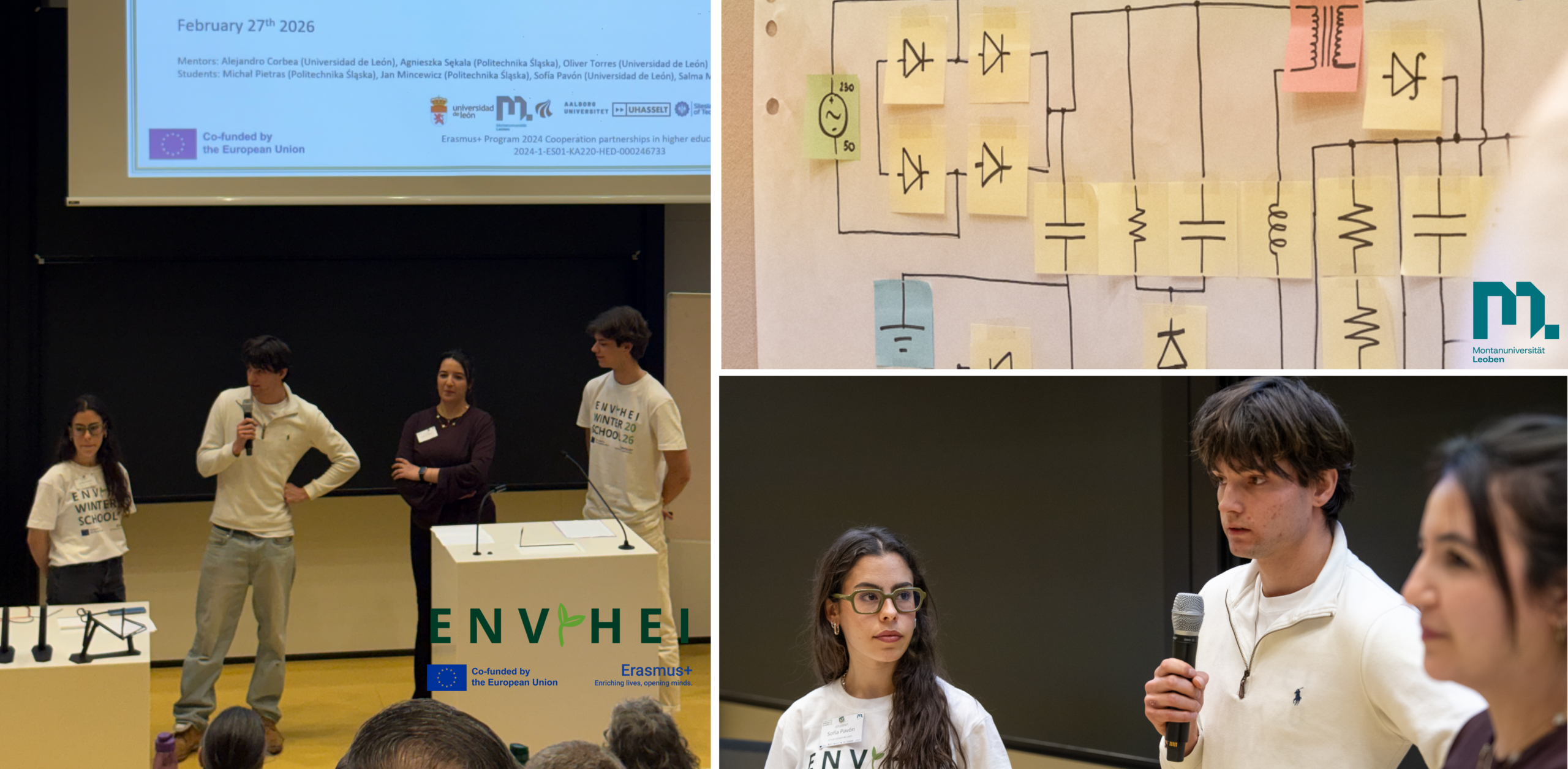
During the Final Presentation Session, the team complemented their presentation with a poster illustrating the final circuit topology of the Eco-charger digital twin, including annotated sections and color-coded elements to highlight the function of each circuit component. The poster helped the audience to better understand the system architecture and the role of each component within the overall circuit design.
🏆 Award & Jury Feedback
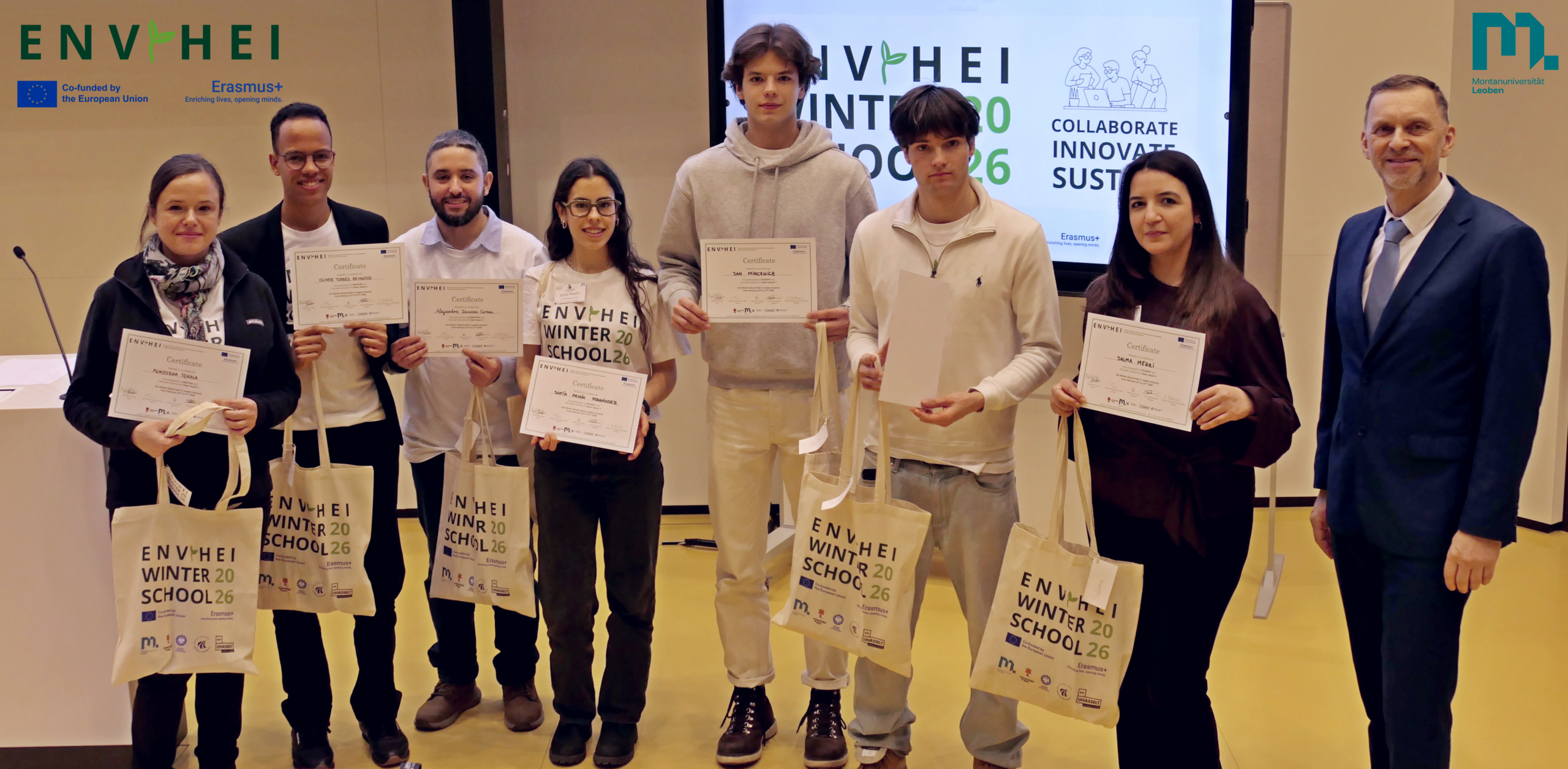
The project was awarded the 🥈 Silver Award in recognition of its strong integration of energy efficiency principles with a clear and compelling value proposition supported by a well-structured marketing strategy. The project was praised for turning a relevant sustainability challenge into a practical, market-oriented solution, with strong alignment between technical design and clear communication. It stood out for making energy-saving concepts accessible and appealing, while effectively balancing innovation, usability, outreach, and strategic environmental thinking.
More information, photos, and insights will be shared soon. Stay tuned!
Discover more from ENVIHEI - Student-centered learning for ENVIronmental sustainability at Higher Education Institutions
Subscribe to get the latest posts sent to your email.